Explore our high-performance copper grades engineered for superior electrical conductivity, exceptional thermal management, and robust mechanical properties.
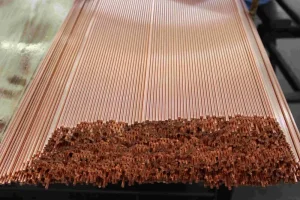
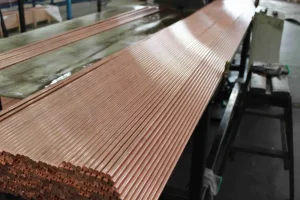
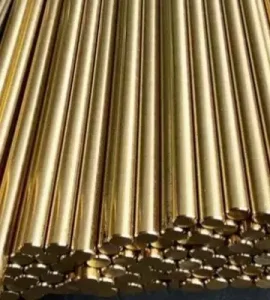
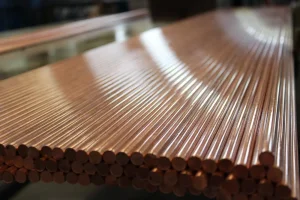
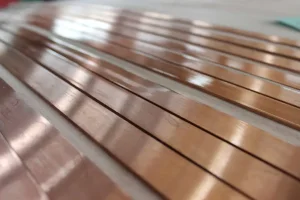

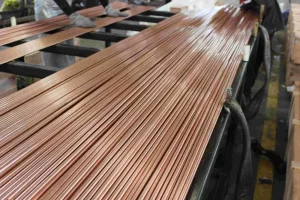
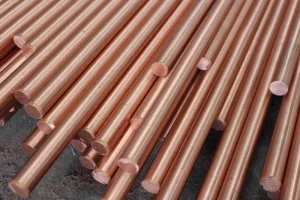
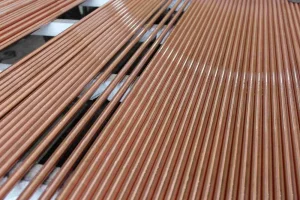
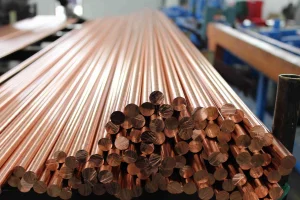
Purple Copper, widely known in metallurgical and industrial engineering fields as red copper or pure copper (typically categorized under grades like C11000, C10100, and C10200), is the cornerstone of modern electrical engineering, green energy transition, and high-precision manufacturing. Its distinctive purplish-red metallic luster is a visual indicator of its exceptionally high copper content—often exceeding 99.90%. This purity is not merely aesthetic; it is the fundamental driver behind the material's near-perfect electrical and thermal conductivity ratings, which are crucial for minimizing energy losses in high-voltage applications.
"As global industries pivot toward deep decarbonization, the demand for high-purity Purple Copper has transitioned from standard commodity sourcing to highly customized OEM engineering. Modern electric vehicles (EVs), aerospace avionics, and semiconductor packaging demand copper alloys that possess not only high conductivity but also enhanced mechanical strength, wear resistance, and machinability."
For procurement directors and engineering leads, finding a reliable OEM Purple Copper factory is no longer just about securing the lowest price per ton. It is about establishing a strategic partnership with a manufacturer capable of precise micro-alloying, strict oxygen-content control, and comprehensive international compliance. High-conductivity alloys like Tellurium Copper (C14500) and Beryllium Copper (C17200) represent the pinnacle of this metallurgical evolution, offering tailored balances of strength and conductivity that pure copper alone cannot achieve.
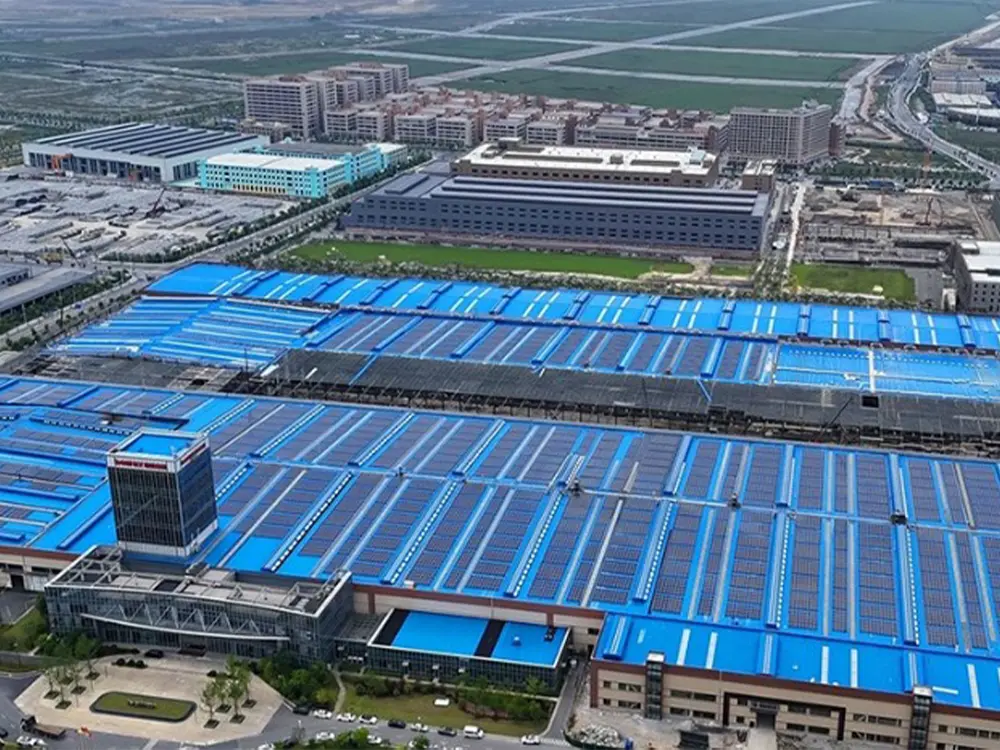
Established in May 2017, Sichuan Kepai New Materials Co., Ltd. is a high-tech pioneer specializing in the R&D, production, and global distribution of high-conductivity, high-strength free-cutting tellurium copper and specialized copper alloys.
At Kepai, we have addressed the classic metallurgical dilemma: the trade-off between electrical conductivity and mechanical machinability. Standard pure copper is notoriously difficult to machine due to its ductility, leading to high tool wear and poor surface finishes in precision components. By developing proprietary manufacturing techniques and micro-alloying processes, Kepai produces high-performance alloys like Oxygen-Free High-Conductivity Tellurium Copper (OFT), which maintains over 93% IACS (International Annealed Copper Standard) conductivity while offering a machinability rating of 85% relative to free-cutting brass.
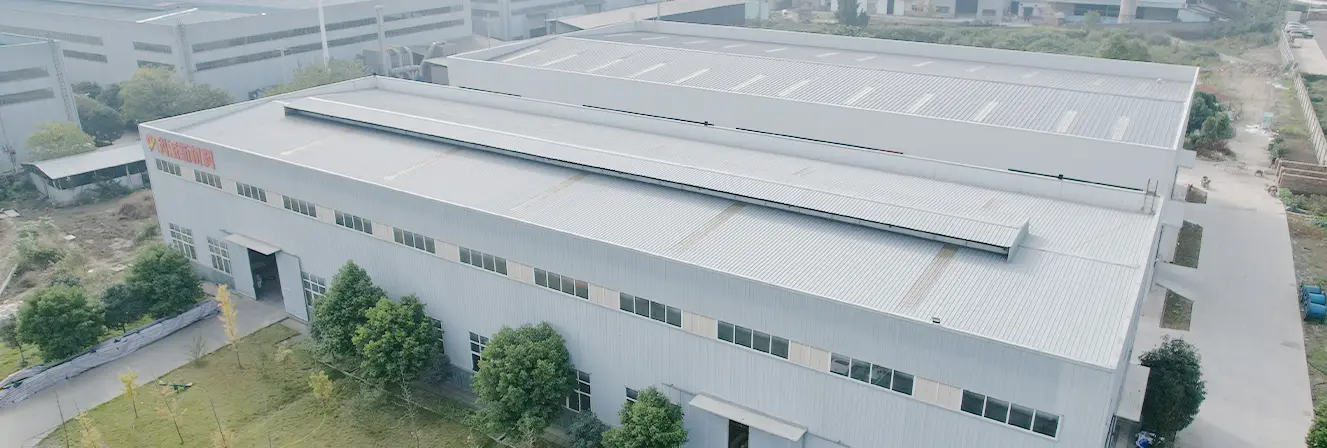
Our state-of-the-art facility in Sichuan utilizes advanced vacuum induction melting, continuous casting, and precision cold-drawing equipment to ensure that every batch of copper alloy meets stringent dimensional tolerances and internal structural integrity requirements. This rigorous control is why Kepai's materials are trusted by leading enterprises in high-stakes sectors like aerospace, automotive manufacturing, and high-voltage power transmission.
With a robust domestic market share and an expanding international footprint, Kepai delivers high-performance copper alloys to critical industrial hubs worldwide.

In an era defined by supply chain volatility, Kepai has established a highly resilient global logistics and distribution network. We understand that industrial OEMs require just-in-time delivery to maintain lean manufacturing schedules. Our export operations are backed by comprehensive compliance frameworks, ensuring seamless customs clearance and adherence to regional import regulations in North America, Europe, and the Asia-Pacific region. By maintaining strategic stockpiles of raw materials and standardized alloy billets, we guarantee stable lead times even during periods of global market disruption.
Our comprehensive portfolio covers the entire spectrum of specialized copper metallurgy, engineered to meet the most demanding electrical, thermal, and mechanical criteria.
Engineered for high-speed machining applications requiring exceptional electrical and thermal conductivity. Ideal for plasma cutting nozzles, electrical connectors, and semiconductor components. Offers a unique combination of 85% machinability and >93% IACS conductivity.
The ultimate high-strength copper alloy. Through precipitation hardening, C17200 achieves tensile strengths exceeding 1380 MPa (200 ksi) while maintaining excellent fatigue resistance and moderate conductivity. C17300 adds trace lead for enhanced precision machinability.
Specifically developed for resistance welding electrodes and high-stress structural electrical components. Retains its mechanical strength and hardness at elevated temperatures (up to 500°C) while providing superior resistance to deformation and sticking.
Characterized by superb elasticity, high fatigue strength, and excellent corrosion resistance. C51100 is widely utilized for spring clips, diaphragms, and switch components. C54400 offers added lead for superior bearing and bushing performance.
A highly efficient free-cutting copper alloy that serves as an excellent alternative to tellurium copper in specific applications. It provides high electrical conductivity (approx. 90% IACS) and outstanding hot and cold workability for complex geometries.
The gold standard for vacuum electronics, superconductors, and high-end audio applications. With an oxygen content restricted to less than 0.001%, this material is immune to hydrogen embrittlement and offers the absolute highest electrical conductivity possible.
Our specialized copper alloys are engineered to perform under the most extreme thermal, electrical, and mechanical environments across diverse global industries.
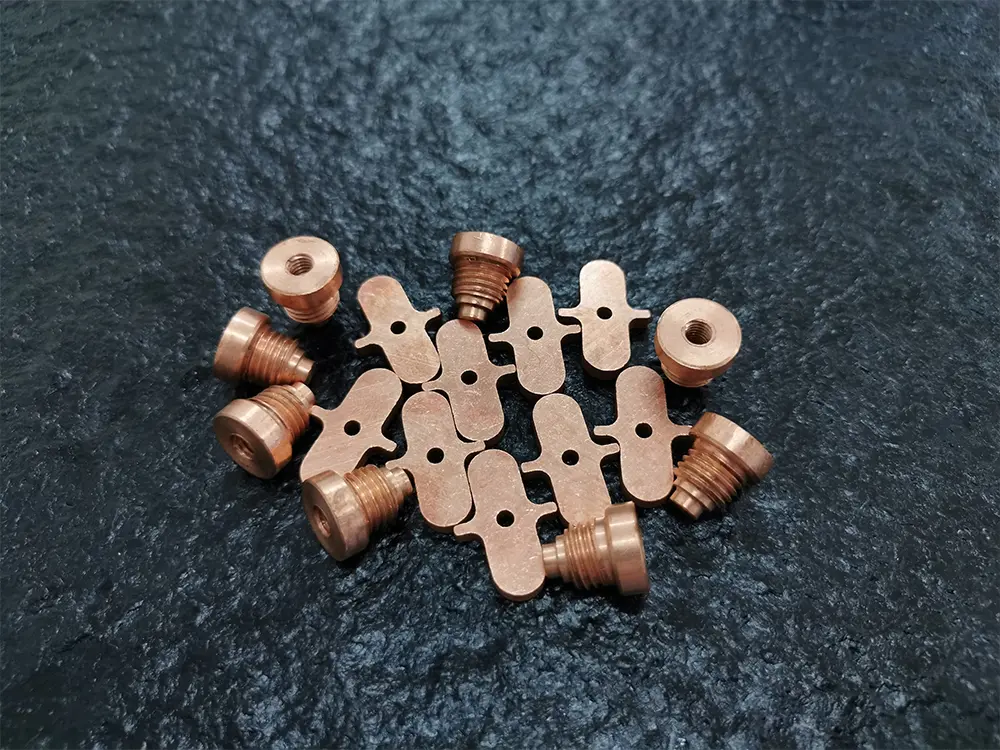
High-purity copper is critical for EV battery busbars, charging connectors, and traction motor windings, ensuring maximum power transfer efficiency and minimal thermal generation.

Beryllium copper and high-strength alloys are utilized in aircraft landing gear bushings, electrical connectors, and instrumentation springs, where failure is not an option.

Utilizing copper's inherent antimicrobial properties and high conductivity for MRI shielding, surgical instruments, and medical diagnostic hardware components.

Copper-nickel and specialized bronzes offer unparalleled resistance to marine biofouling and seawater corrosion, making them ideal for offshore platforms and marine piping.
Tellurium copper and chromium-zirconium copper are the industry standards for plasma cutting electrodes, torch tips, and resistance welding caps due to their high thermal wear resistance.
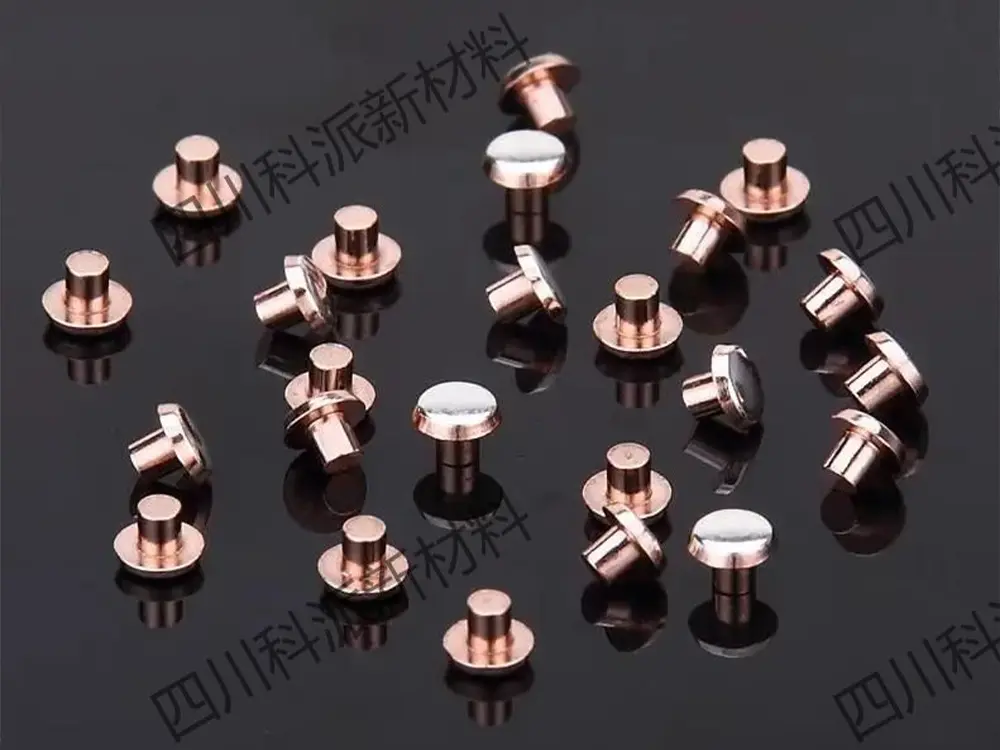
Providing high-efficiency electrical pathways for photovoltaic inverters, wind turbine generators, and utility-scale battery energy storage systems (BESS).
Sichuan Kepai New Materials Co., Ltd. operates at the cutting edge of material science. Our dedicated research and development team continuously collaborates with leading metallurgical universities and research institutes to push the boundaries of copper alloy performance. By focusing on micro-alloying techniques, we are able to introduce trace elements that significantly enhance mechanical properties without compromising the base metal's electrical conductivity.
International Quality & Environmental Certifications:
Our manufacturing processes are fully certified under ISO 9001:2015 (Quality Management Systems), ISO 14001:2015 (Environmental Management Systems), and ISO 45001:2018 (Occupational Health and Safety Management Systems). We ensure complete traceability from raw copper cathode sourcing to the finished extruded or drawn product.
Furthermore, Kepai is deeply committed to environmental sustainability. We utilize advanced scrap reclamation systems and energy-efficient induction furnaces to minimize our carbon footprint. All of our free-cutting alloys are designed to comply with global environmental directives, including RoHS (Restriction of Hazardous Substances) and REACH (Registration, Evaluation, Authorisation and Restriction of Chemicals), ensuring that our clients can confidently integrate our materials into their green technology supply chains.
As industrial demands evolve, Kepai is actively developing the next generation of advanced copper materials to power tomorrow's technologies.
By implementing severe plastic deformation (SPD) techniques during the drawing process, we are developing copper alloys with ultra-fine grain structures. These materials exhibit dramatically increased yield strength and fatigue life while retaining high electrical conductivity, perfect for micro-connectors in consumer electronics.
In anticipation of stricter global environmental regulations, our R&D team is perfecting lead-free alternatives for high-machinability copper. By utilizing alternative alloying elements like bismuth or sulfur in precise ratios, we aim to deliver 100% eco-friendly alloys that match the performance of traditional leaded grades.
We are expanding our capabilities into the production of high-purity copper and copper alloy powders optimized for 3D printing (Selective Laser Melting). This will allow aerospace and automotive engineers to print complex, monolithic heat exchangers and induction coils with optimal thermal properties.
Get authoritative answers to the most common technical questions regarding copper alloy selection, machining, and OEM procurement.
C11000, also known as Electrolytic Tough Pitch (ETP) copper, is the most common industrial pure copper. It has a minimum copper content of 99.90% and contains a small amount of oxygen (typically 0.02% to 0.04%). While it offers excellent conductivity (101% IACS), it is susceptible to hydrogen embrittlement when heated above 370°C in reducing atmospheres.
C10100, or Oxygen-Free Electronic (OFE) copper, is a high-purity grade (99.99% pure) with oxygen content limited to less than 0.0005%. It is immune to hydrogen embrittlement, highly ductile, and ideal for high-vacuum applications, superconductors, and critical electronic components.
Pure copper (like C11000) is highly ductile and "gummy" during machining, which leads to long, stringy chips, severe tool wear, and poor surface finish. Tellurium Copper (C14500) contains approximately 0.5% tellurium, which forms microscopic copper telluride inclusions. These inclusions act as chip breakers, reducing friction and allowing for high-speed machining. C14500 achieves a machinability rating of 85% (compared to 20% for pure copper) while retaining 93-98% of pure copper's electrical conductivity.
Kepai employs a multi-stage quality assurance framework. We begin with high-purity raw cathodes and utilize vacuum induction melting to prevent atmospheric contamination. Every melt charge undergoes optical emission spectrometry (OES) analysis to verify chemical composition before casting. Post-production testing includes eddy current testing for internal defects, tensile testing for mechanical properties, and conductivity testing via eddy current instruments to guarantee IACS compliance.
Yes, all of our standard copper alloys are fully compliant with current RoHS and REACH directives. For alloys that contain lead (such as Beryllium Copper C17300 or Lead Bronze), we ensure that the lead content remains strictly within the exempted limits allowed for specific industrial machining applications, and we actively offer lead-free alternatives like C14700 Sulfur Copper for applications requiring absolute compliance.
From high-purity oxygen-free grades to high-elasticity beryllium formulations, select the perfect engineering material for your application.
Whether you require custom micro-alloying, high-volume extrusion, or specialized technical consulting, our engineering team is ready to deliver tailored metallurgical solutions for your business.
Send Sourcing Inquiry Kepai New Material