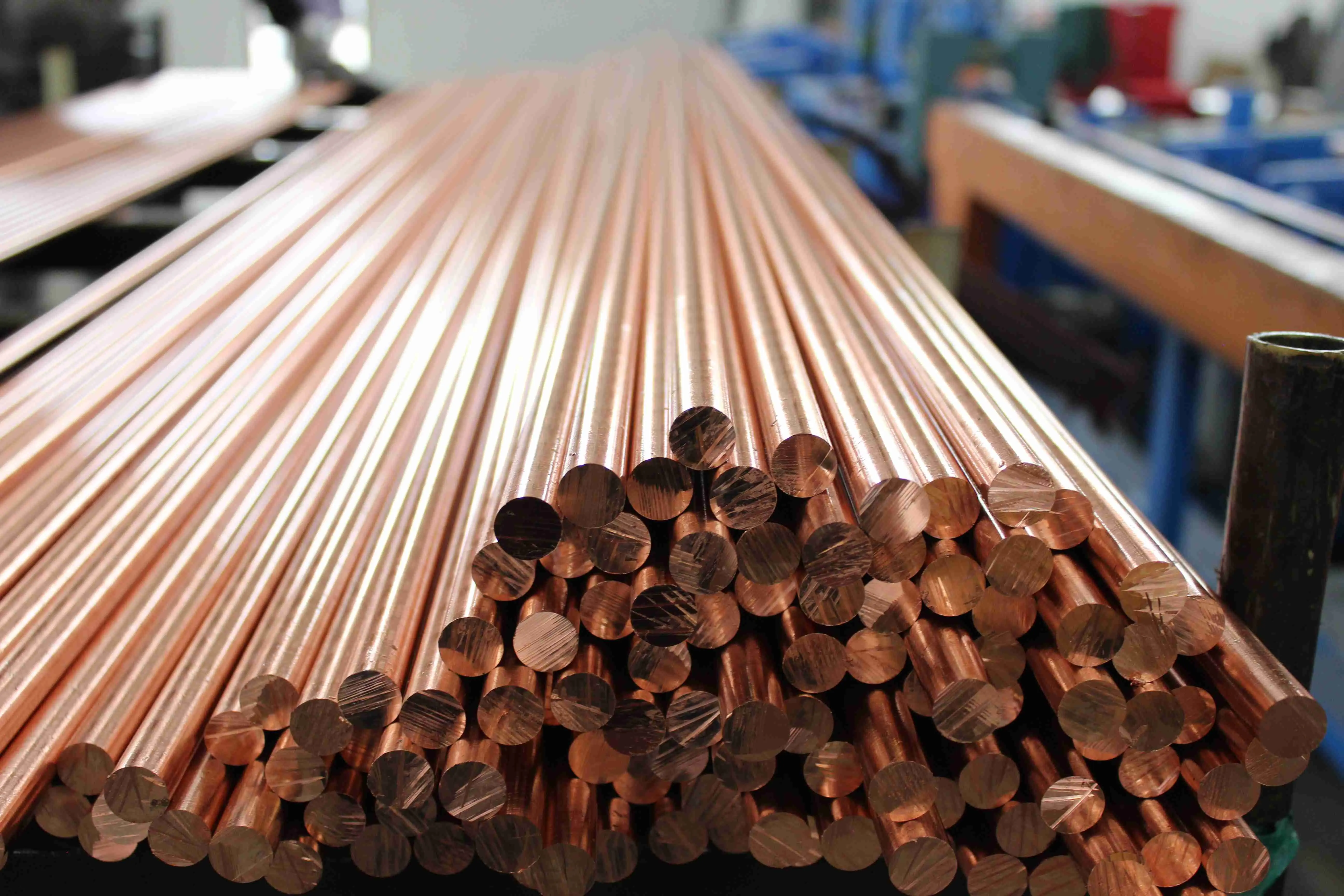
⚡3. Main Performance Characteristics
✔
High strength and high hardness
✔
Excellent electrical conductivity
✔
Outstanding cutting performance
✔
Good wear resistance and fatigue resistance
✔
Superior corrosion resistance
Frequently Asked Questions
Q1: What is the primary benefit of adding Lead (Pb) to Beryllium Copper?
The addition of lead significantly improves the machinability of the alloy, making it ideal for high-speed automatic lathe processing and precision components.
Q2: How does C17300 compare to other copper alloys in terms of strength?
C17300 offers one of the highest strengths among all copper-based alloys, combined with excellent hardness and fatigue resistance after heat treatment.
Q3: Is C17300 suitable for electrical applications?
Yes, it maintains excellent electrical conductivity, which makes it a preferred choice for high-performance electronic connectors and conductive springs.
Q4: Can this material withstand corrosive environments?
Beryllium copper naturally forms a protective oxide layer, providing good corrosion resistance in most industrial and marine environments.
Q5: What are the typical thermal properties of C17300?
It has a high thermal conductivity of approximately 105 W/(m·K), allowing for efficient heat dissipation in demanding mechanical and electronic parts.
Q6: In which industries is C17300 most commonly used?
It is widely utilized in the aerospace, automotive, telecommunications, and high-end electronics manufacturing industries.
 Kepai New Material