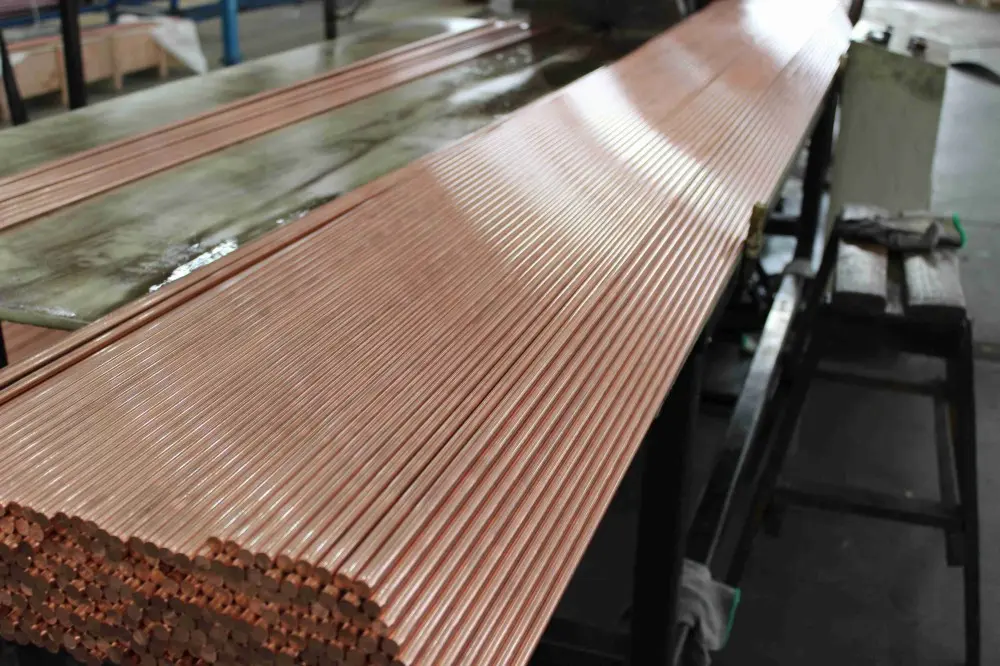
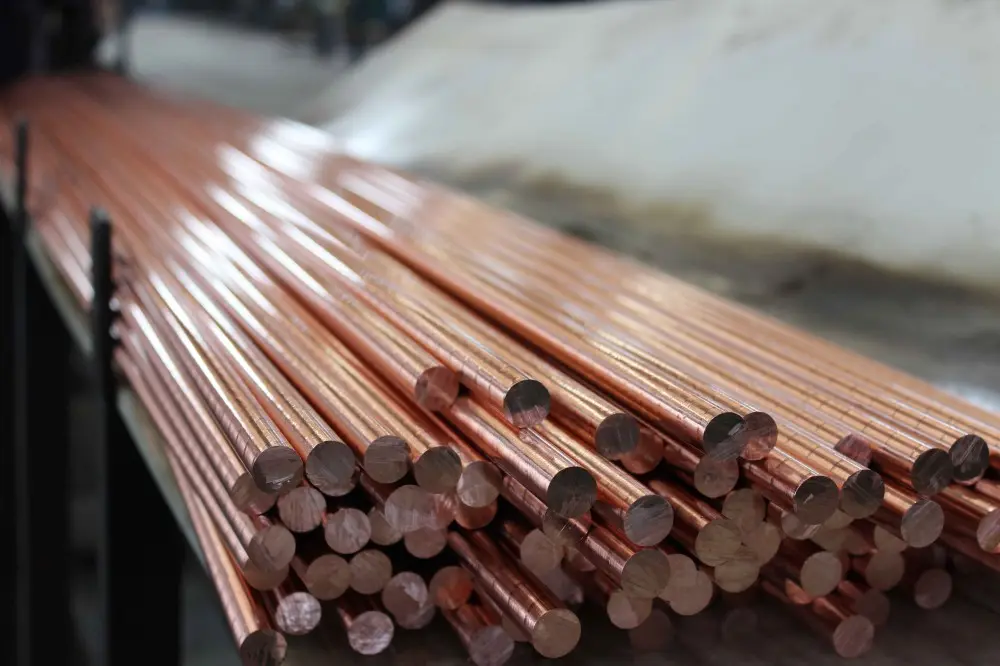
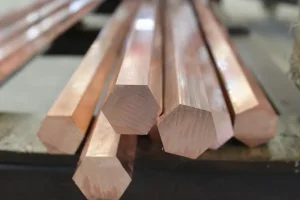
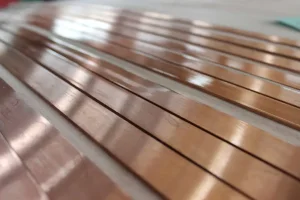
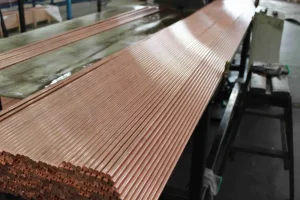
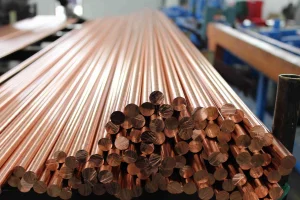
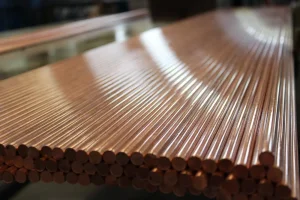
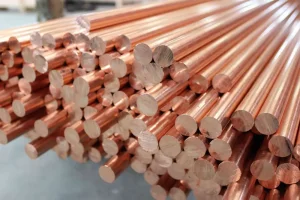
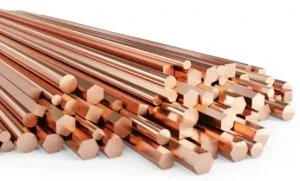
C17510 copper-nickel-beryllium alloy, also known as CuNi2Be, beryllium bronze and spring copper, is a copper alloy with 0.2–0.6% beryllium, 1.4-2.2% Nickel and sometimes other elements.
C17510 copper-nickel-beryllium alloy, also known as CuNi2Be, beryllium bronze and spring copper, is a copper alloy with 0.2–0.6% beryllium, 1.4-2.2% Nickel and sometimes other elements.
C17510 copper-nickel-beryllium alloy combines high strength with non-magnetic and non-sparking qualities. It has excellent metalworking, forming and machining properties.
C17510 provides good strength with high electrical and thermal conductivity, good resistance to stress relaxation and good elevated temperature strength. This alloy is engineered for excellent performance in the automotive, telecom and oil and gas industries.
Physical Properties
Property
Value
Melting Point - Liquidus °F
1955
Melting Point - Solidus °F
1885
Density lb/cu in. at 68°F
0.317
Specific Gravity
8.77
Electrical Conductivity % IACS at 68°F
48 (1)
Electrical Conductivity % IACS at 68°F
45 (2)
Thermal Conductivity Btu/ sq ft/ ft hr/ °F at 68°F
120
Coefficient of Thermal Expansion 68-392 per °F
9.8
Specific Heat Capacity Btu/ lb /°F at 68°F
0.1
Modulus of Elasticity in Tension/ksi
19200
Modulus of Rigidity/ksi
7500
(1) Cold worked and precipitation hardened condition. HT Temper
(2) AT Temper
Frequently Asked Questions
1. What is C17510 copper-nickel-beryllium alloy?
C17510 is a high-performance copper alloy containing small amounts of beryllium and nickel, specifically designed to offer a balance of high strength and high electrical conductivity.
2. What are the primary benefits of using C17510?
Key benefits include excellent thermal and electrical conductivity, high strength, non-magnetic properties, non-sparking characteristics, and superior resistance to stress relaxation.
3. In which industries is C17510 commonly applied?
It is widely used in the automotive, telecommunications, and oil and gas industries due to its reliability in demanding environments and high-temperature strength.
4. Is C17510 alloy easy to machine?
Yes, C17510 is known for its excellent metalworking, forming, and machining properties, making it a preferred choice for complex component manufacturing.
5. What is the typical electrical conductivity of C17510?
The electrical conductivity typically ranges between 45% and 48% IACS at 68°F, depending on the temper (AT or HT) and treatment process.
6. Does C17510 perform well at high temperatures?
Yes, it is engineered to maintain good strength even at elevated temperatures, which is critical for applications in high-stress industrial environments.
 Kepai New Material