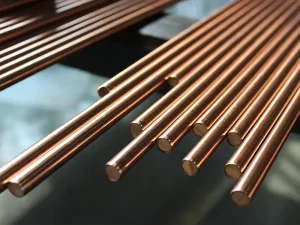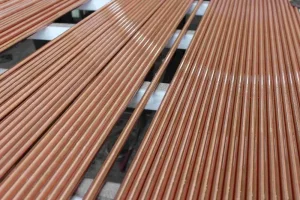
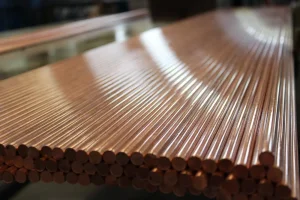
Lead Bronze Factories & Exporter

Global Industrial Whitepaper & Strategic Metallurgy Guide on High-Performance Copper-Lead Tribological Solutions

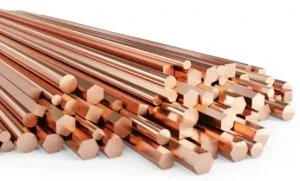
Featured Metallurgical Solutions - Top Showcase

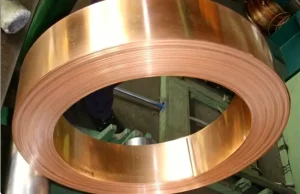
Best Lead Bronze Wear Resistance

Best Lead Bronze---Better Wear Resistance Factories, Exporters

Explore Specifications
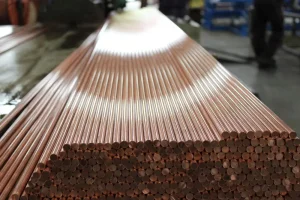
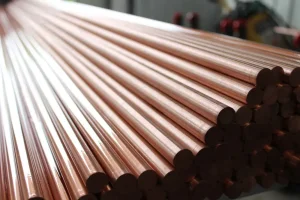
OEM Lead Copper Bronze

OEM High Performance Lead Copper Bronze Material Factory, Companies

Explore Specifications
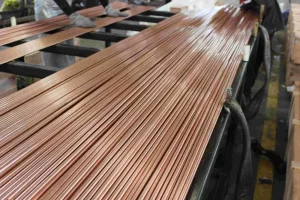
C14700 Sulfur Copper

High-Quality C14700 Sulfur Copper: Make The Production More Efficient Material Factory, Exporter

Explore Specifications
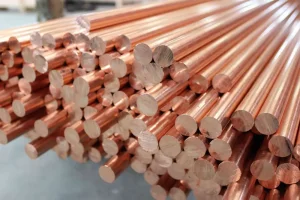
C19160 High Strength Copper

Best C19160 high strength copper alloy Suppliers, Factories

Explore Specifications
Oxygen Free Copper

Custom High purity oxygen-free copper Manufacturer, Exporter

Explore Specifications
C54400 Copper Alloy

High-Quality C54400 Copper Alloy Manufacturer, Factories

Explore Specifications
Kepai Oxygen Free Tellurium Copper

Custom Kepai Oxygen free high conductivity tellurium copper Suppliers, Exporters

Explore Specifications
High Performance Tellurium Copper

Wholesale Characteristics and application of high performance tellurium copper Manufacturer, Suppliers

Explore Specifications
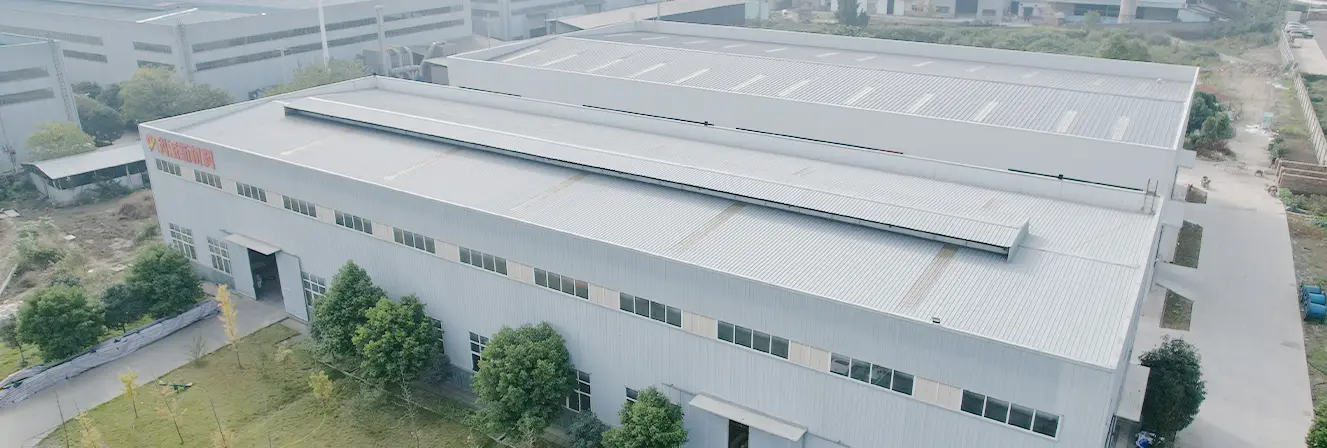
ESTABLISHED 2017 29,000 m² BASE HIGH-TECH ENTERPRISE

Sichuan Kepai New Materials Co., Ltd.

Sichuan Kepai New Materials Co., Ltd. is a global technological leader in the research, development, continuous casting, and precision extrusion of advanced copper alloys. Specialized in manufacturing high-conductivity, high-strength free-cutting tellurium copper, oxygen-free copper, beryllium cobalt copper, and high-performance wear-resistant lead bronze, Kepai has positioned itself as a critical supplier for high-end manufacturing.

Leveraging our state-of-the-art 29,000-square-meter facility, we integrate raw material smelting, micro-alloying, sophisticated heat treatment, and precision testing to deliver metallurgical consistency. Our intellectual properties feature over 30 patents, ensuring our global clientele receives structurally sound alloys designed for critical failure-free performance.
2017
Year Established
29,000+
Factory Area (m²)
1,000+
Global Enterprise Clients
30+
Patented Technologies
Kepai Advanced Smelting Base
Production Area 1 Production Area 2

PART I: THE METALLURGICAL SCIENCE OF HIGH-PERFORMANCE LEAD BRONZE

Tribological Performance Crystalline Distribution Boundary Lubrication

Microstructural Engineering of Leaded Bronze Alloys

In heavy industrial, high-velocity, and boundary lubrication environments, standard brasses and basic bronzes often fail due to severe adhesive wear. To prevent catastrophic failure, engineers deploy high-performance lead bronze alloys (such as C93200 SAE 660, C93700 SAE 64, and C93800). The unique metallurgical configuration of these materials relies on the immiscibility of lead within the copper matrix. During our continuous casting process, the lead phase separates from the solidifying copper-tin dendrites and forms a highly dispersed, microscopic emulsion.

"Under operational frictional stress, local mechanical temperatures cause the soft micro-dispersed lead phase to exude onto the surface. This forms a continuous, ultra-thin solid lubricant film across the tribological interface, significantly dropping the coefficient of friction."

The metallurgical matrix contains tin as a solid solution strengthener, which elevates the mechanical hardness, yield strength, and fatigue resistance of the bronze. In contrast, the dispersed lead particles function as built-in safety reservoirs. If the oil pressure drops or the system experiences boundary contact, the microscopic lead film prevents metal-to-metal welding (seizure). This ensures the continuous operation of highly loaded shafts and high-speed bearings.

Comparative Tribological Properties & Wear Limits

When evaluating materials for bearing bushes, slide plates, or high-pressure hydraulic components, it is critical to compare mechanical performance indicators. The table below represents standard metrics recorded for Kepai’s advanced lead bronze formulations against typical copper alloys:

Wear Resistance & Compression Profile

Our lead bronze alloys exhibit a tensile strength exceeding 300 MPa, with a compressive yield strength capable of supporting static loads up to 120 MPa. The Brinell hardness ranges dynamically between 75 and 110 HB. More importantly, under un-lubricated or low-lubricated sliding tests, the wear rate remains under 1.2 × 10⁻⁷ mm³/N·m, illustrating superior reliability compared to standard phosphor-bronze.

PART II: GLOBAL INDUSTRIAL STATUS & COMMERCIAL ECOSYSTEM

Global Market Distribution Export Frameworks Compliance Standards

Supply and Demand Dynamics Across Continents

The global demand for high-grade lead bronze is driven by heavy machinery, energy generation, high-speed rail networks, and heavy maritime transport. Geographically, industrial demand is concentrated in North America, Western Europe, and East Asia. Factories in these regions require consistent material quality with minimal deviations in copper-to-lead ratios to prevent early micro-cracking in bearing assemblies.

As a leading developer and exporter, Sichuan Kepai maintains a stable supply chain network that bridges this global demand. Leveraging our robust shipping and compliance logistics, we regularly export raw billets, semi-finished hollow bars, and fully machined components to OEM industrial firms worldwide. In domestic and overseas markets, Kepai’s brand stands for high wear resistance, microstructural consistency, and structural dependability.

Global Export Distribution Map

Figure 1: Kepai’s Global Export and Distribution Network spanning North America, Europe, and Asia-Pacific.

Export Compliance and International Quality Frameworks

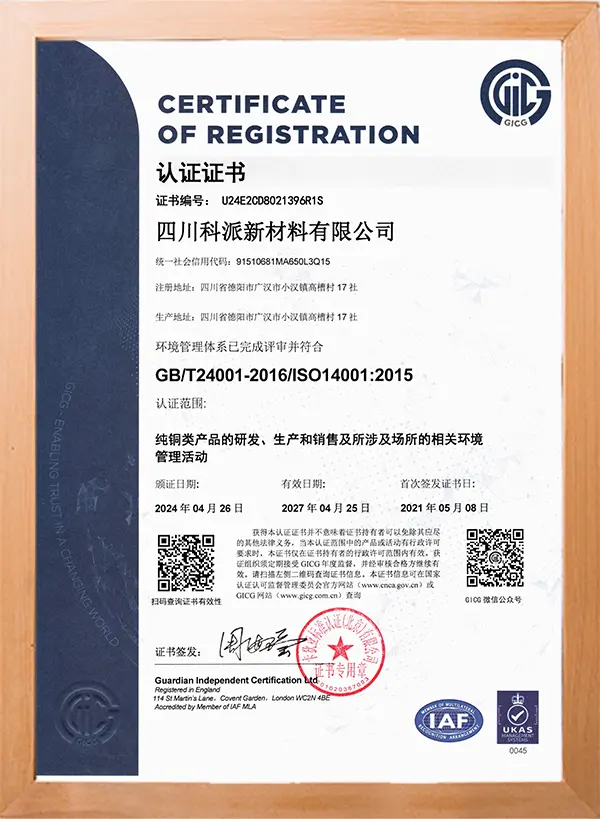
Exporting copper-lead alloys requires strict adherence to international regulatory frameworks. To maintain our standing as a top exporter, Kepai operates in full alignment with global standards, including ISO 9001:2015 for quality management, ISO 14001:2015 for environmental protection, and ISO 45001:2018 for occupational safety.

Furthermore, we proactively address environmental directives such as RoHS and REACH. When our leaded products are utilized in specific heavy-duty segments (e.g., aerospace and defense, railway traction motors, or marine gear units) that are granted environmental exemptions, we supply comprehensive metallurgical traceability, chemical analyses, and mechanical test certifications. This documentation ensures seamless compliance and smooth customs clearance at all destination ports.

PART III: INDUSTRIAL TRENDS & TECHNOLOGY ROADMAP

Green Metallurgy R&D Roadmap Advanced Continuous Casting

Key Industry Trends: Sustainability & Intelligent Materials

The metallurgical sector is experiencing two primary transitions: the reduction of carbon emissions during raw extraction and the demand for environmentally compliant tribological materials. The global market is gradually shifting toward low-lead or micro-alloyed alternatives that achieve high sliding reliability without sacrificing recyclability. In addition, modern automated machinery requires longer component life and reduced maintenance cycles.

Kepai is actively addressing these industry needs. Our research and development team is exploring micro-alloying techniques that integrate trace amounts of bismuth, tellurium, and sulfur with copper matrix structures to develop alternative wear-resistant solutions. By optimizing the distribution of self-lubricating phases, we help customers balance high efficiency with environmental compliance.

Kepai's Technical Evolution & 2025-2030 Roadmap

To maintain our technological edge in the international copper alloy market, Kepai has established a clear technical evolution path. Our production processes are migrating toward continuous horizontal vacuum casting, precision digital temperature controls, and inline ultrasonic defect scanning:

2025 - Horizontal Electromagnetic Casting Integration

Deployment of electromagnetic stirring in our casting lines to eliminate lead segregation, ensuring highly uniform lead dispersion even in extra-large hollow bars.

2027 - Advanced Zero-Oxygen Extrusion Technologies

Scaling up our proprietary zero-oxygen extrusion processes to eliminate oxygen pick-up, securing high electrical conductivity and excellent structural integrity in high-conductivity tellurium and sulfur-copper alloys.

2029 - Micro-alloyed Green Tribological Alternatives

Commercialization of bismuth-tellurium-bronze bearing formulations, providing full operational safety and wear resistance while maintaining eco-friendly compliance.

PART IV: MACRO INDUSTRY SOLUTIONS & LOCAL APPLICATIONS

Aerospace Components E-Mobility Marine Engineering
Medical Equipment

Medical Equipment

Copper-based alloys play an essential role in medical engineering due to their natural antimicrobial and bio-compatible properties. They are widely utilized in anti-inflammatory components, sterile surfaces, and high-frequency analytical devices.
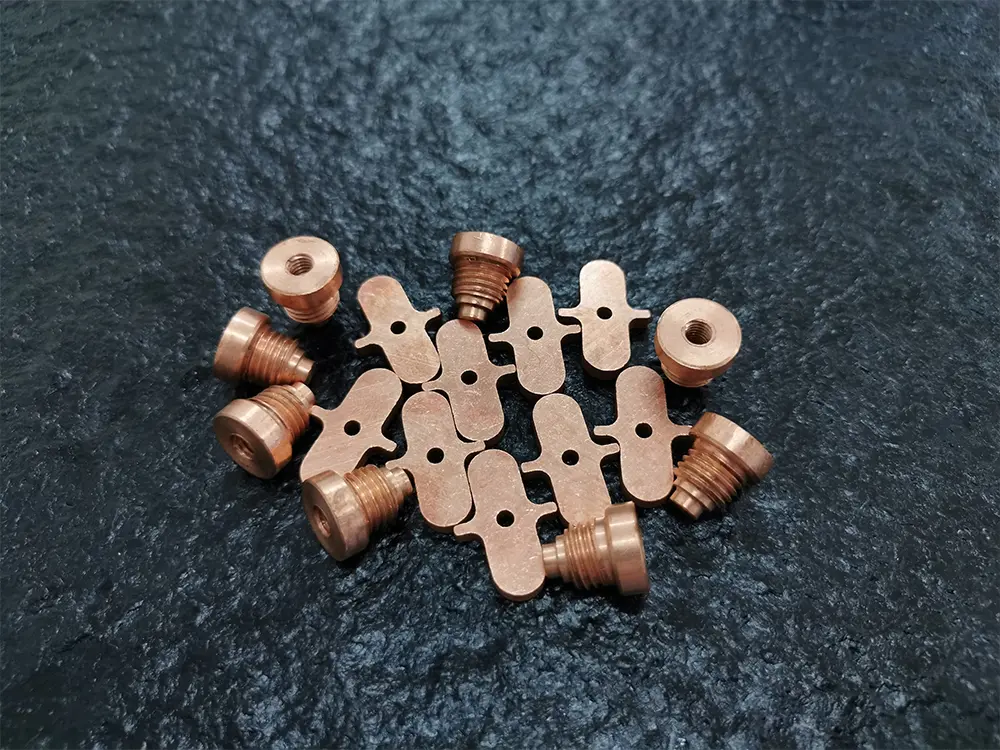
New Energy Vehicles

New Energy Vehicles

Electric vehicles demand high-efficiency current transmission and thermal management. Our tellurium and oxygen-free copper series are optimized for charging connector pins, busbars, and internal motor stator segments.

Aerospace Applications

Aerospace Engineering

Aerospace components demand high reliability under extreme mechanical stress. Our alloys are manufactured to strict tolerances for high-reliability generators, instrumentation connectors, and auxiliary wear bushings.
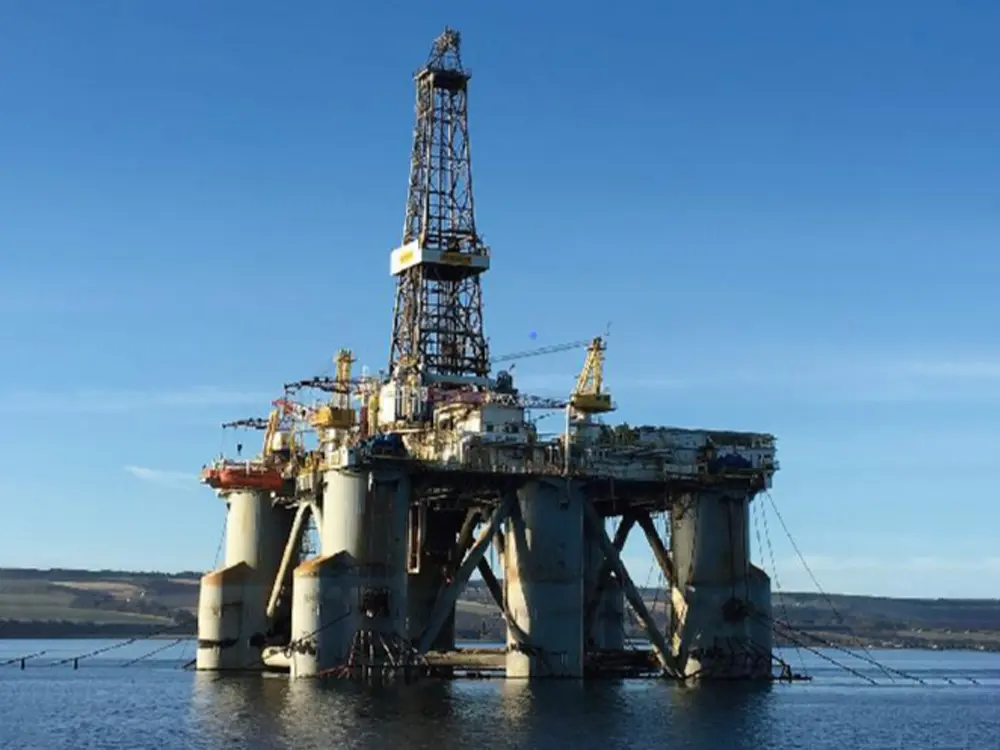
Ocean Engineering

Marine & Ocean Engineering

Offshore equipment requires materials with superior resistance to seawater corrosion and bio-fouling. Kepai’s customized tin-bronze and copper-nickel alloys provide durable service for maritime components, marine pump shafts, and offshore exploration gear.
More Cases

Advanced Energy Solutions

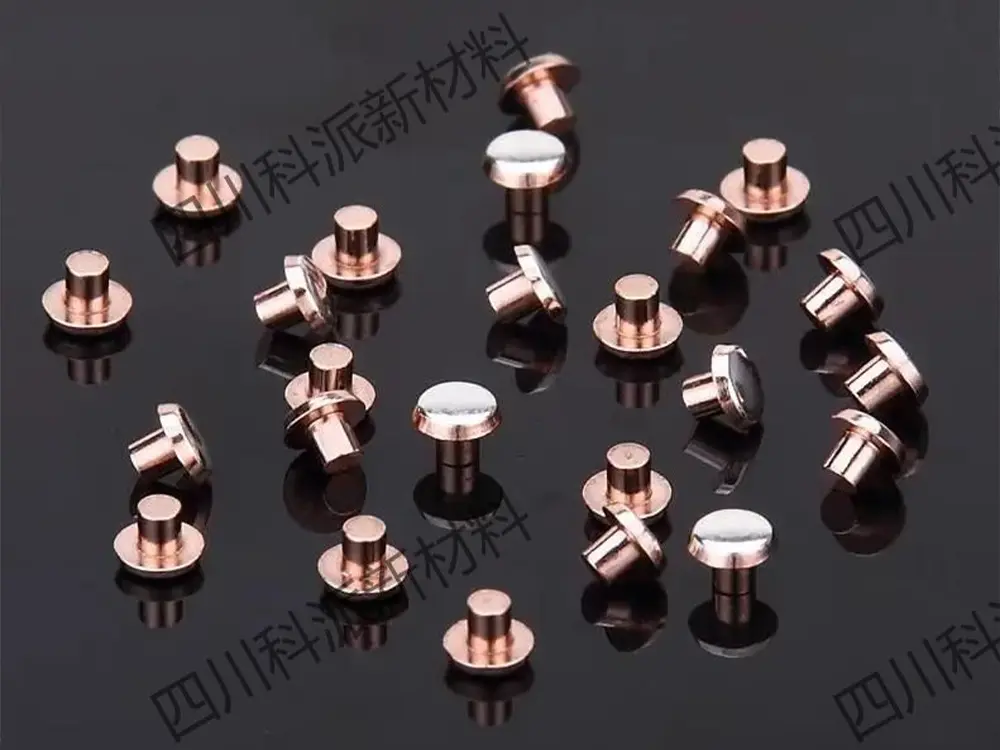
Our materials are also integrated into high-precision heavy manufacturing applications, including Plasma Cutting Electrodes, robust Plasma Cutting Electrode Holders, and Photovoltaic Energy Storage connection terminals.

Certified Manufacturing Quality & Factory Compliance

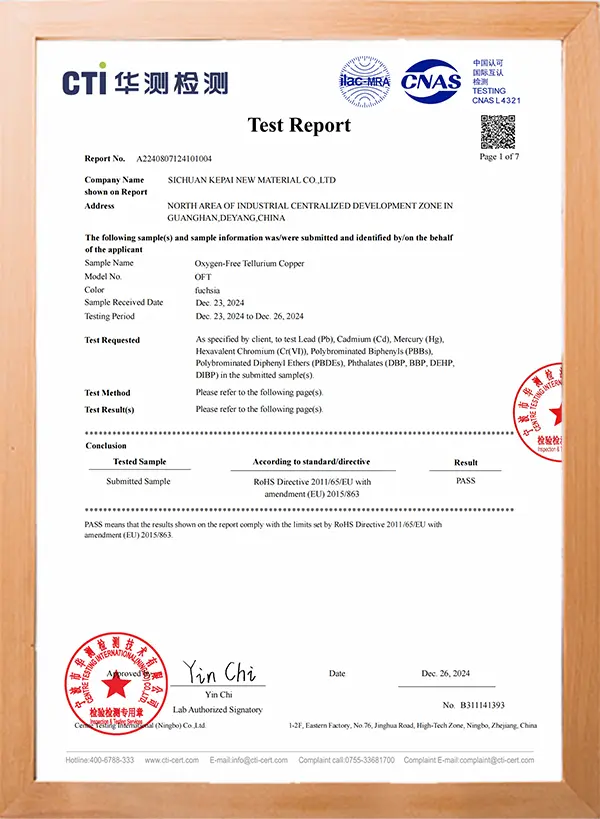
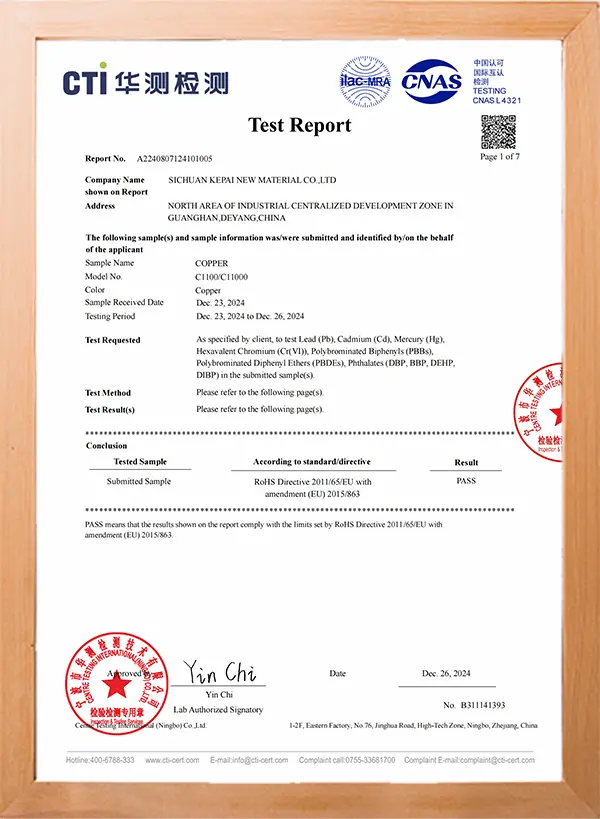
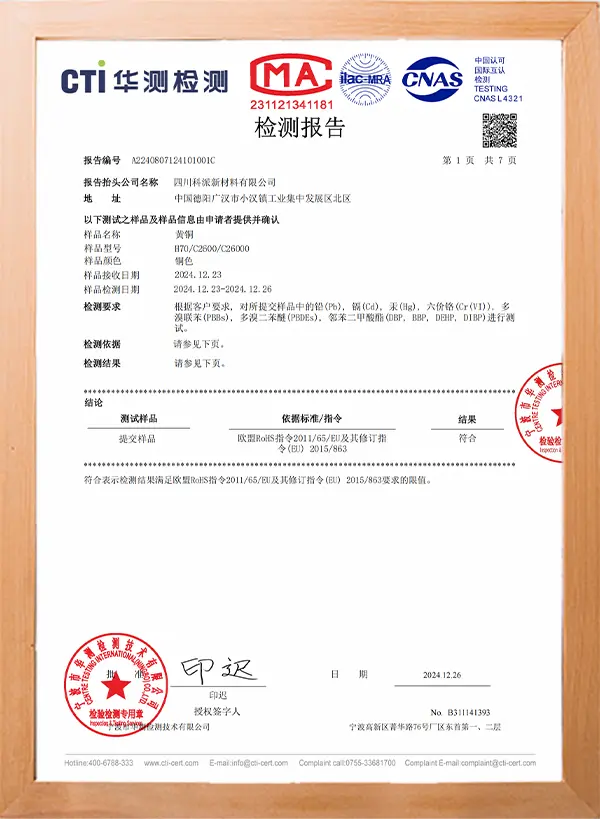
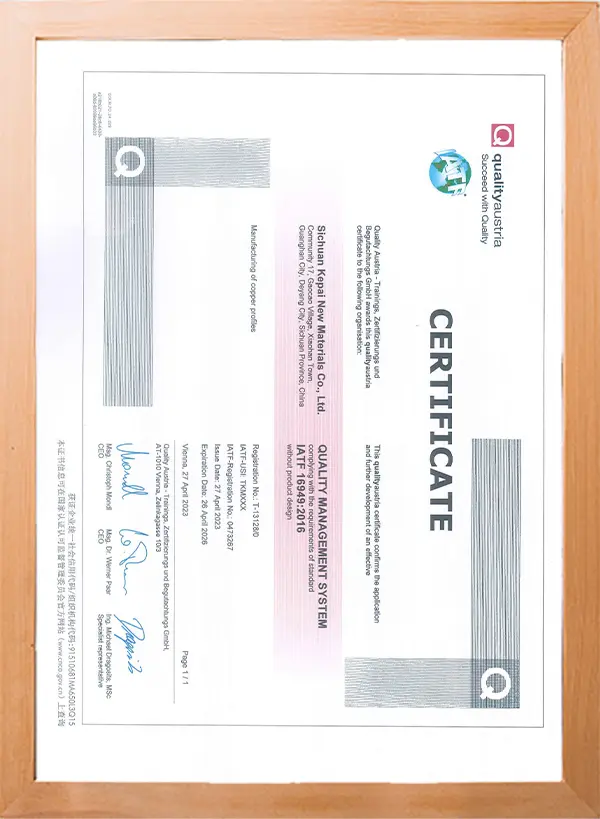
We ensure quality and traceability through every stage of production. From raw melting and casting to drawing, finishing, and packaging, our processes are certified to strict international standards.
Certification 1
Certification 2
Certification 3
Certification 4
Certification 5

TECHNICAL QA & ENGINEERING REFERENCE

FAQ Material Choice Failure Analysis
Q1: What metallurgical mechanisms give lead bronze its superior wear resistance?
Lead is practically insoluble in solid copper alloys. In lead bronze (such as C93200 or C93700), the lead phase solidifies as micro-dispersed particles within the copper-tin matrix. Under operational frictional load, localized frictional heat causes the lead to exude onto the contact surface. This forms a thin, self-lubricating barrier that prevents direct metal-to-metal contact, lowering the coefficient of friction and preventing seizure during periods of low lubrication.
Q2: How does Kepai prevent lead segregation during the continuous casting process?
Lead has a higher density and lower melting point than copper, making it prone to gravity segregation in large-diameter castings. Kepai addresses this issue by using advanced electromagnetic stirring in our melting furnaces, combined with rapid water-cooled solidification dies. This process locks the dispersed lead particles into a highly uniform distribution before they can settle, securing consistent mechanical properties throughout the entire cross-section of the alloy.
Q3: In which heavy industrial applications is lead bronze irreplaceable?
Lead bronze is irreplaceable in high-speed, heavy-load sliding applications where boundary lubrication may occur. Typical applications include crankshaft main bearings in marine diesel engines, thrust washers in automotive transmissions, wear plates in mining machinery, hydraulic pump cylinder blocks, and landing gear bushings in aerospace engineering.
Q4: What are the main differences between C14700 Sulfur Copper and traditional leaded bronzes?
The primary difference lies in the balance between machinability and electrical conductivity. C14700 Sulfur Copper contains trace amounts of sulfur, forming copper sulfide inclusions that act as chip breakers during machining while maintaining over 95% IACS electrical conductivity. In contrast, lead bronze is a structural sliding alloy with lower electrical conductivity (typically 12-20% IACS), designed primarily for wear resistance, load capacity, and anti-friction performance.
Q5: Does Kepai support custom casting and custom machining sizes for global customers?
Yes, we provide fully customized solutions. Utilizing our continuous casting and precision drawing systems, we manufacture solid rods, hollow bars, flat bars, and complex custom geometries to client specifications. In addition, our machine shop can supply finished bushings, sleeves, and wear plates based on customer drawings, ensuring quick integration into assembly lines.
Q6: How does tellurium copper compare to leaded bronze in precision applications?
Tellurium copper (such as C14500) is designed to balance excellent machinability (85% of free-cutting brass) with high electrical and thermal conductivity (93% IACS). It is widely used in high-current electrical connectors, welding nozzles, and plasma cutting components. Leaded bronze, on the other hand, is optimized for mechanical friction, load capacity, and structural wear resistance rather than high electrical conductivity.
Q7: What quality documentation is provided with Kepai’s exported copper alloys?
Every export shipment is accompanied by a full quality documentation package. This includes Mill Test Certificates (MTC) conforming to EN 10204 3.1, chemical analysis reports using optical emission spectrometry (OES), mechanical testing data (tensile strength, elongation, and Brinell hardness), and compliance statements for RoHS, REACH, and other environmental frameworks where applicable.

Advanced Metal Alloys - Bottom Showcase

C18150 Chromium Zirconium Copper

High-Quality C18150 Chromium-Zirconium copper alloy Company, Companies

Explore Specifications
C14500 Tellurium Copper

Wholesale High performance of C14500 Tellurium copper alloy Factory, Factories

Explore Specifications
High Performance Oxygen Free Copper

OEM High performance oxygen free copper Manufacturer, Suppliers

Explore Specifications
OEM High Performance Lead Copper Bronze

OEM High Performance Lead Copper Bronze Material Factory, Companies

Explore Specifications
Best C14500 Tellurium Copper

Best C14500 tellurium copper material

Explore Specifications
C17200 Beryllium Copper

Wholesale C17200 high strength beryllium copper alloy Manufacturers, Companies

Explore Specifications
Custom C17510 Copper Nickel Beryllium

Custom C17510 copper-nickel-beryllium alloy Manufacturers, Factories

Explore Specifications
C51100 Phosphor Copper

Custom High conductivity C51100 phosphor copper Factories, Companies

Explore Specifications
All Lead Bronze Products