 Kepai New Material
1 / 3
Often processed into plates, strips, and wires for manufacturing cables, batteries, motors, microwave tubes, and transistor components. Its high conductivity ensures device reliability.
With excellent thermal conductivity, it is widely used in radiators and heat exchangers that require efficient heat conduction.
Highly favored for water supply, gas supply, and heating systems due to its high strength and superior corrosion resistance.
Ideal for chemical industry manufacturing where stability and high strength are required for high-temperature and high-pressure equipment.
Used in electric vacuum instruments, coaxial tubes for liquefied petroleum gas, and specialized medical gas oxygen tubes.
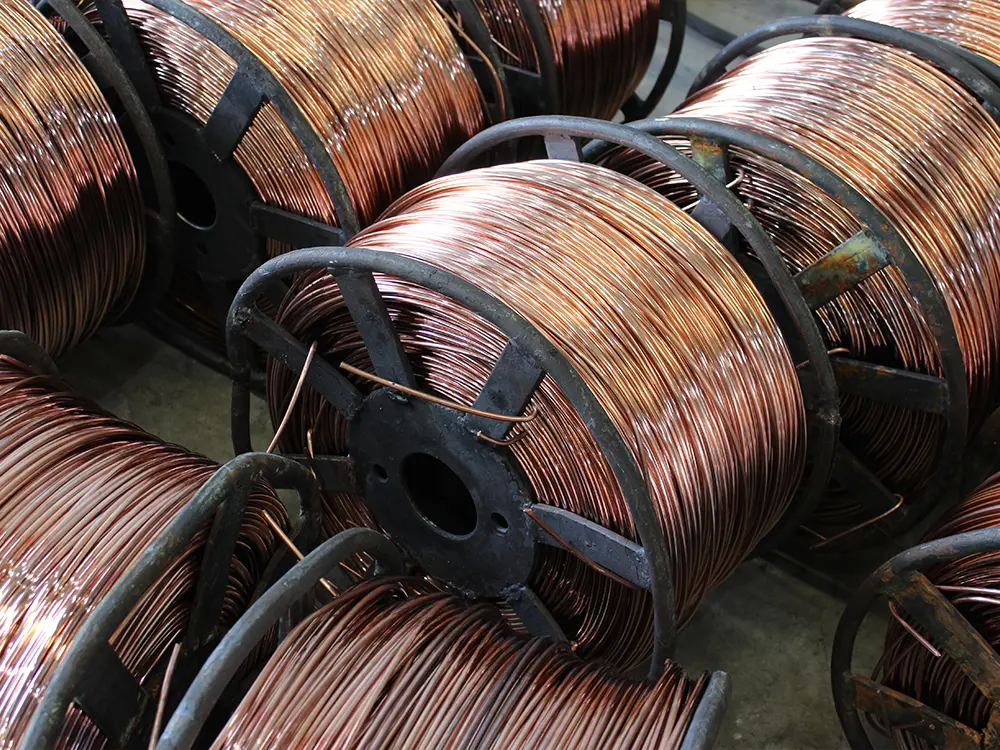
The main characteristics include extremely high electrical and thermal conductivity, excellent corrosion resistance, and high purity with minimal oxygen content.
Oxygen-free copper reaches 100% IACS, which is significantly more efficient for electrical transmission than standard grades of copper.
Yes, its corrosion resistance is three times higher than ordinary copper, making it perfect for long-term use in salt spray and submarine applications.
It is used because it provides high efficiency and reliability for components like vacuum tubes, transistors, and high-performance cables due to its purity.
Absolutely. Using oxygen-free copper in heat sinks can increase thermal conductivity efficiency by approximately 25% compared to regular materials.
High-temperature and high-pressure equipment in the chemical industry, as well as precision medical gas delivery systems, benefit most from its stability and strength.