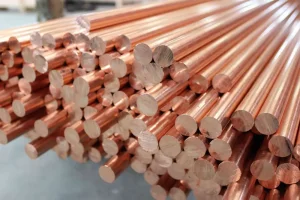
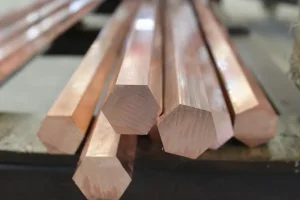
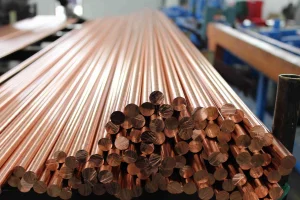
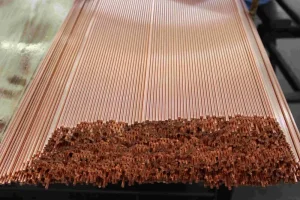
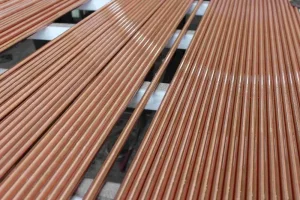
In the contemporary industrial landscape, the demand for materials that synchronize high electrical conductivity with exceptional wear resistance has reached an all-time high. Wear-resistant copper alloys are no longer just "metals"; they are the precision-engineered backbone of the Fourth Industrial Revolution. From the sub-zero environments of aerospace telemetry to the high-heat cycles of new energy vehicle (NEV) charging systems, these alloys provide the reliability that modern infrastructure demands.
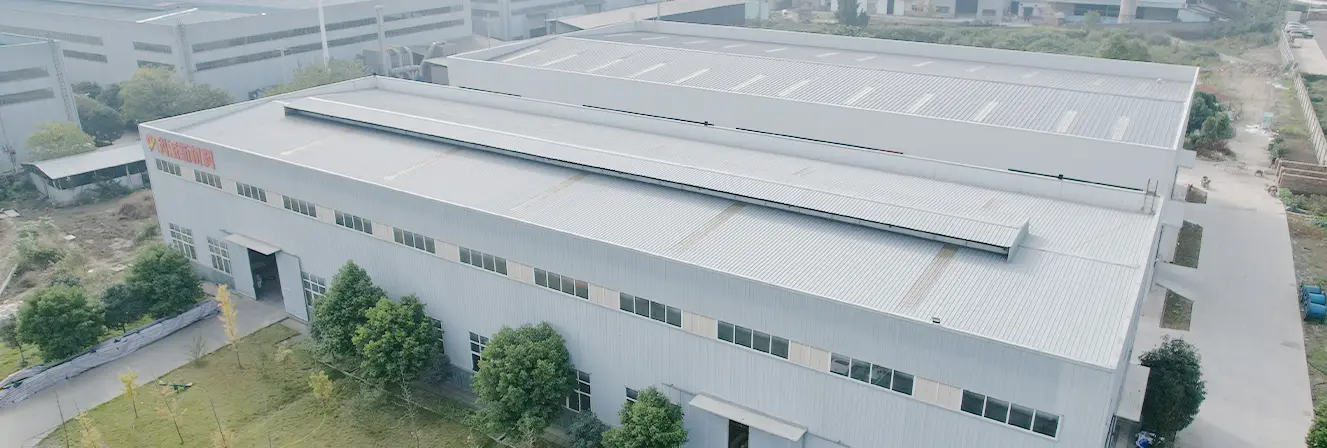
Regionally, the market is shifting. While the EMEA region focuses heavily on sustainable alloy compositions (Lead-free initiatives), the APAC region is leading the volume in manufacturing components for 5G infrastructure and Plasma cutting technology. Kepai New Material, established in 2017, sits at the nexus of this shift, utilizing a 29,000 sqm facility to serve over 1,000 global clients with 30+ patented metallurgical technologies.
Optimization of Ni-Si and Cr-Zr systems to reach tensile strengths exceeding 1380 MPa (200 ksi) without compromising thermal dissipation properties.
Implementing cryo-metallurgical processing to create ultra-fine grain structures, reducing internal stress and increasing the fatigue limit of spring contacts.
Scaling the production of C14700 Sulfur Copper and other lead-free free-cutting alloys to meet strict environmental RoHS and REACH compliance globally.
As we look toward 2030, the "Smart Alloy" concept is emerging. These are copper alloys with tailored microstructures designed via AI-assisted thermodynamic simulations—a field where Kepai's independent R&D team is currently invested. This ensures our materials, like the C19160 high strength copper alloy, remain at the cutting edge of semiconductor and connector technology.
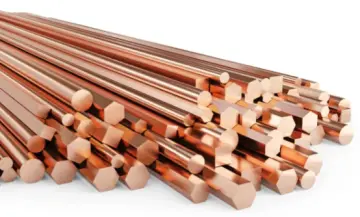
A nickel-silicon precipitation strengthened copper alloy. Strengthened through heat treatment, it possesses high strength, excellent electrical conductivity, and outstanding softening resistance.
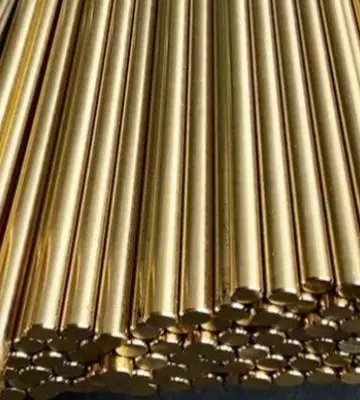
The perfect balance of cold forming properties and mechanical strength. Ideal for deep drawing, stamping, and complex cold heading applications.
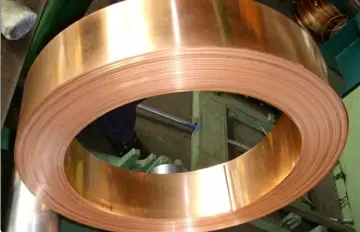
High-performance elastic copper alloy. Tin and phosphorus additions enhance fatigue resistance and corrosion resistance in marine environments.
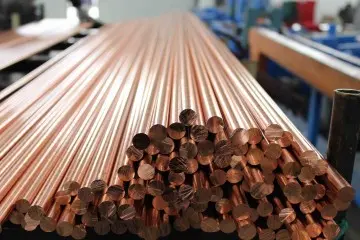
Lead-enhanced for superior machinability. Maintains the legendary strength of beryllium copper while allowing for high-speed automated production of precision contacts.
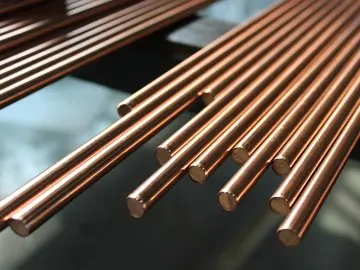
Industry-standard for high-speed machining. Kepai’s version provides a cleaner grain structure for improved plasma cutting electrode performance.
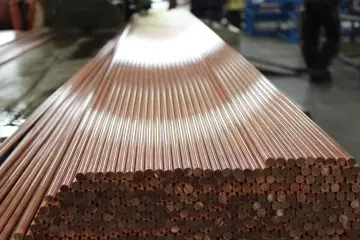
Specifically engineered for heavy-load conditions. Hardness reaches 80-120HB with tensile strength >300MPa for bearings and bushings.
Copper’s thermal conductivity is non-negotiable for system efficiency. Our high-conductivity alloys are used in charging gun terminals and power battery connectors where heat management is critical.
Generators and data transmission parts require C17200 and C17500 alloys for their weight-to-strength ratio and reliability in extreme G-force environments.
Utilizing copper’s antimicrobial properties in conjunction with wear resistance for high-touch robotic surgical arm components and imaging equipment.
Our CuSn and CuNiSi alloys are resistant to seawater corrosion and bio-fouling, making them essential for underwater sensors and offshore energy connectors.
Kepai is not just a factory; we are a research institution. We participate in the formulation of national industry standards for Tellurium Copper. Our ISO9001:2015, ISO14001:2015, and OHSAS 45001:2018 certifications are a testament to our commitment to quality, environmental stewardship, and safety.
Our oxygen-free highly conductive tellurium copper alloy is a breakthrough that solves the traditional trade-off between electrical performance and machining efficiency.
Wear resistance is typically achieved through precipitation hardening (adding elements like Beryllium, Nickel, or Silicon) which creates a hard second phase within the copper matrix. This prevents surface deformation during sliding or abrasive contact.
Pure copper is difficult to machine; it "gums" up tools. Tellurium copper (C14500) offers 85% of pure copper's conductivity but with a machinability rating of 85 (compared to 20 for pure copper), significantly reducing manufacturing costs.
We use a specialized vacuum induction melting process and high-purity cathode copper to ensure oxygen levels are below 10ppm. This prevents hydrogen embrittlement and ensures maximum conductivity.
Yes. We specialize in environmentally friendly production, offering lead-free sulfur copper and other compliant alternatives to traditional leaded brasses.
Tellurium Copper (C14500) or our proprietary Oxygen-Free Tellurium Copper (OFT) is the industry standard due to its high thermal conductivity and arc resistance.
 Kepai New Material