Industry-standard materials for global high-tech manufacturing
White Paper: Engineering Superiority in Conductive Materials
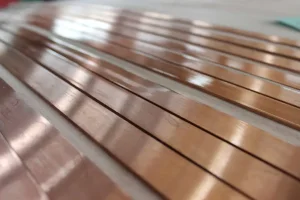
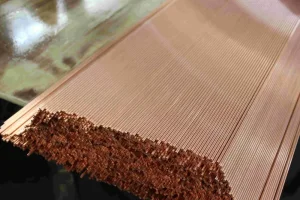
Oxygen-Free Copper (OFC) is refined in a vacuum or a controlled atmosphere to reduce the oxygen content to 0.001% or less. This process eliminates the risk of hydrogen embrittlement, a critical failure point in traditional ETP copper when exposed to high temperatures. By leveraging OFC sheets, manufacturers achieve a conductivity rating often exceeding 101% IACS (International Annealed Copper Standard).
In industries like semiconductor packaging and high-frequency audio, the flatness and surface purity of the copper sheet determine the signal integrity. Best-in-class factories utilize cold-rolling techniques that ensure thickness tolerances within microns, providing the reliability required for precision stamping and laser cutting.
When searching for "Best Oxygen Free Copper Sheet Factories," procurement officers aren't just looking for a price; they are seeking "Information Gain" regarding the purity (4N or 5N), the grain structure, and the certification trail that ensures the material's longevity in harsh environments like aerospace or deep-sea engineering.
Established in May 2017, KEPAI is a high-tech pioneer specializing in high-conductivity, high-strength special copper alloys.
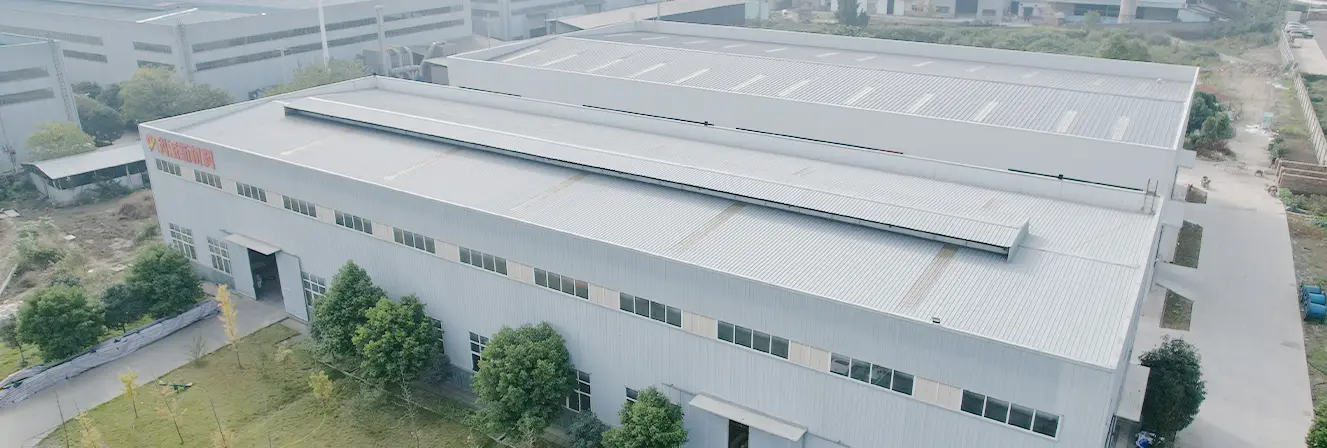
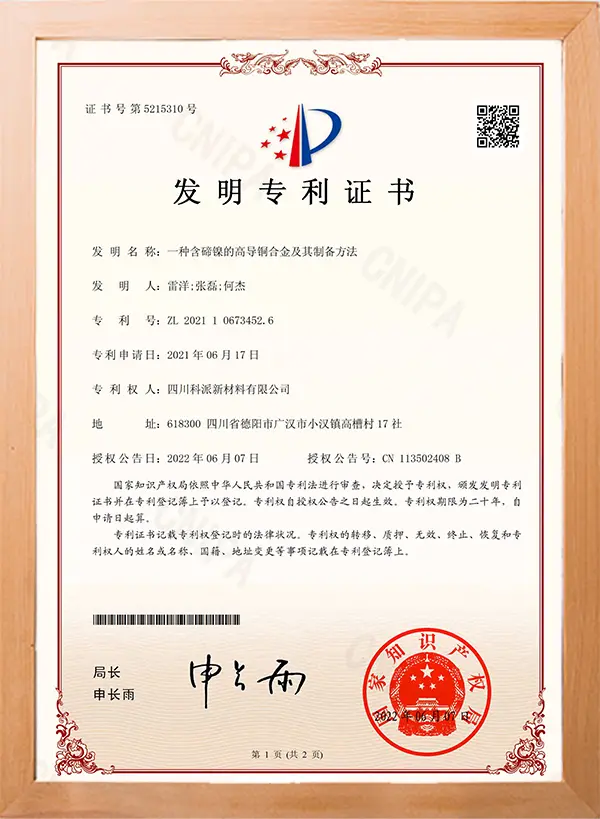
Located on a 29,000 square meter facility, KEPAI has redefined the supply chain for tellurium copper and oxygen-free alloys. With over 30+ patents, our R&D team focuses on independent innovation to bridge the gap between traditional metallurgy and AI-driven precision manufacturing.
Navigating the 2024-2025 Copper Market Landscape
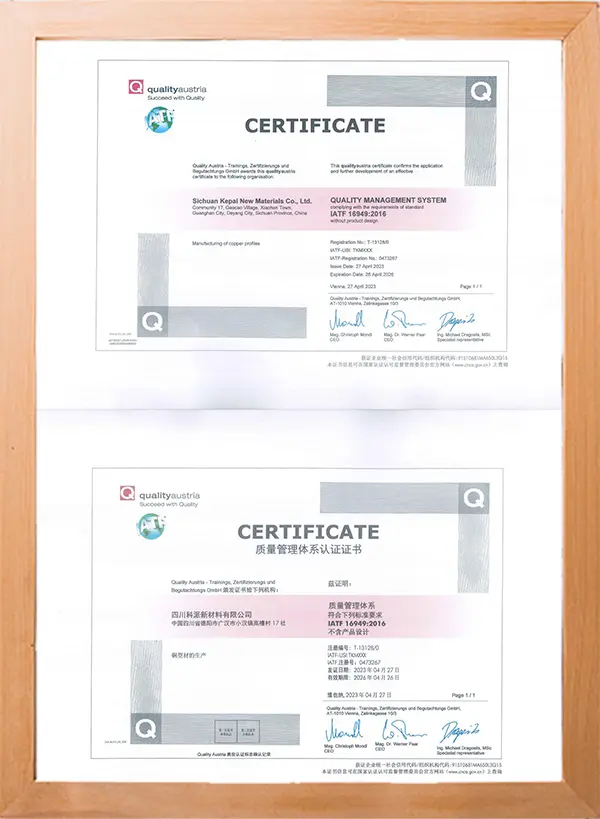
China remains the powerhouse for Oxygen Free Copper Sheet production due to its integrated industrial clusters. Factories in regions like Sichuan leverage localized energy efficiency and raw material proximity to offer competitive pricing without sacrificing the 99.99% purity standards required by European and American IATF 16949 protocols.
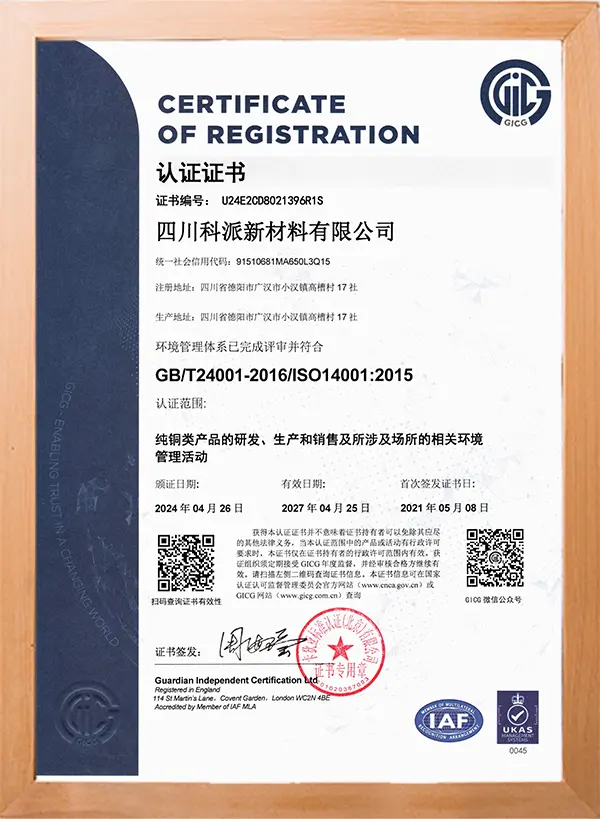
Modern procurement demands RoHS and REACH compliance. Top factories are now shifting toward "Green Copper" production—utilizing recycled high-purity scrap and renewable energy in the smelting process. This alignment with ESG (Environmental, Social, and Governance) goals is no longer optional for global enterprises.
We are seeing a trend where AI-driven thermal imaging and automated ultrasonic testing are used to detect internal voids in OFC sheets. This ensures that every millimeter of the sheet is consistent, which is paramount for EV battery busbars and high-power connectors.
Where Oxygen-Free Copper Sheets Define Performance
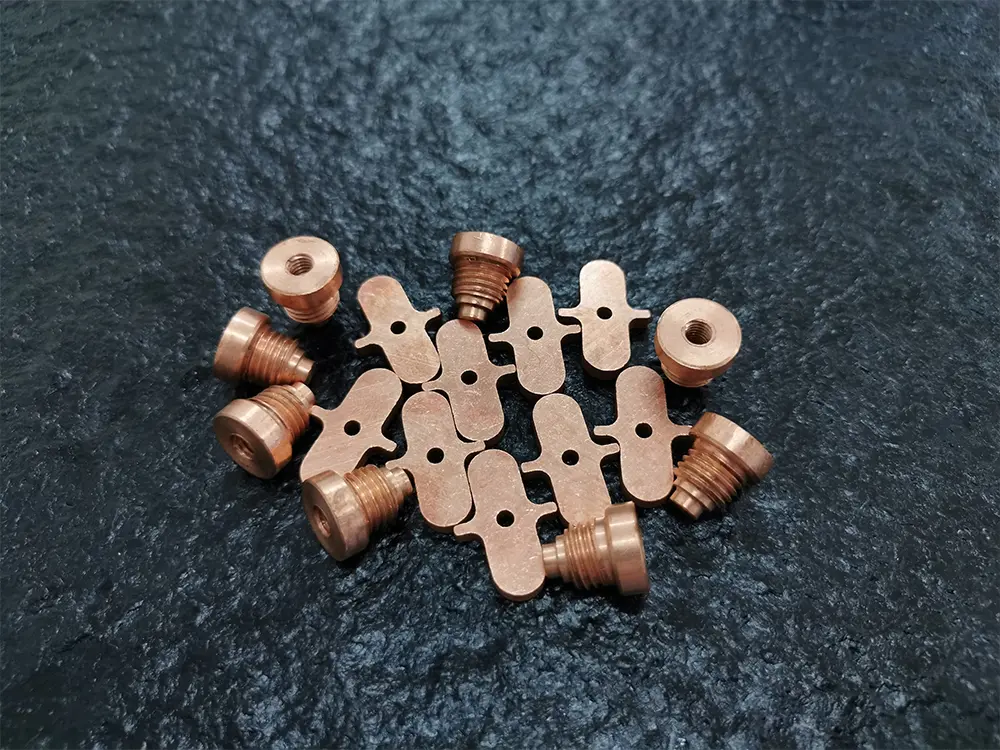
Used in high-voltage battery connectors and charging poles. The low resistance of OFC reduces heat generation, extending battery life and improving charging efficiency.

Critical for generators, radar systems, and data transmission cables where material fatigue resistance and high thermal conductivity are life-critical factors.

OFC sheets are essential in MRI machines and vacuum electronics. The non-magnetic properties and high vacuum stability prevent interference and outgassing.

Specially treated copper alloys provide bio-fouling resistance and seawater corrosion protection for underwater sensors and power conduits.
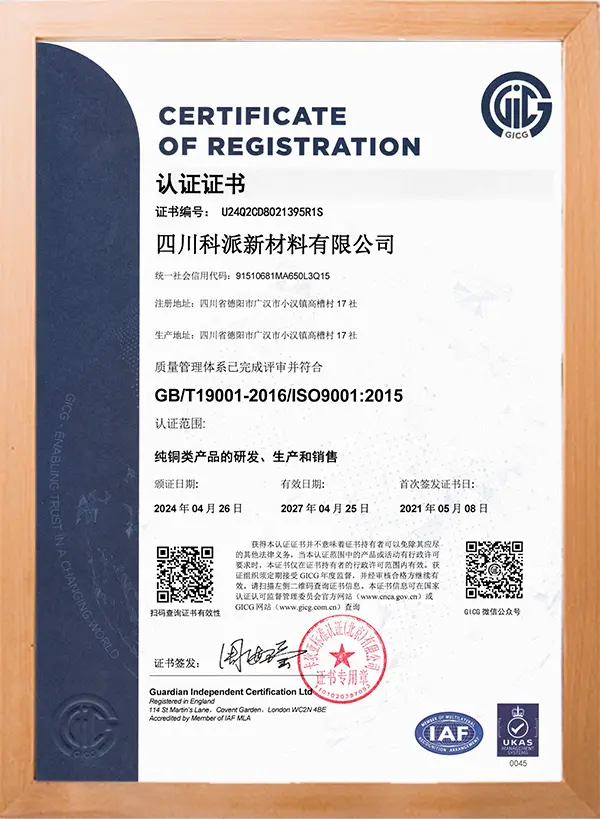
Our commitment to E-E-A-T (Expertise, Authoritativeness, Trustworthiness) is backed by rigorous international certifications. KEPAI is not just a manufacturer; we are a strategic partner in material science.
Common questions from procurement experts and engineers
Customized solutions for every technical challenge
Oxygen-free copper sheets are the foundation of future technology. Whether you are building the next generation of electric vehicles or high-frequency communication satellites, the quality of your base material is the limiting factor of your success. Partner with KEPAI NEW MATERIAL to ensure your supply chain is resilient, compliant, and technologically superior.
 Kepai New Material