Explore our core engineering materials manufactured to exacting tolerances for aerospace, automotive, energy, and electronics industries.
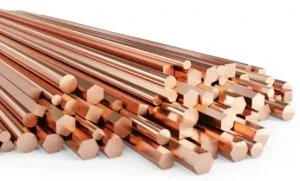
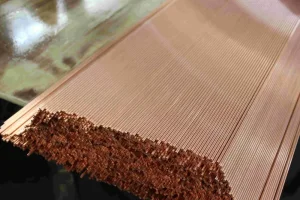
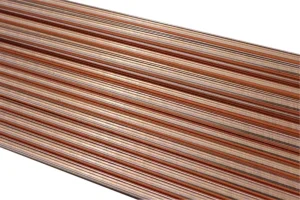
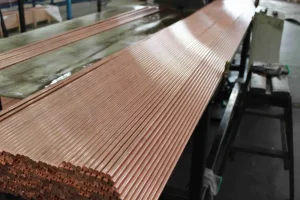
Understanding structural differences, electrochemical metrics, and proper allocation limits for high-stress electrical and mechanical engineering applications.
Choosing between high-purity copper and multi-element bronze alloys requires analyzing mechanical, thermal, and electrical performance envelopes. Pure copper (such as **C11000**) represents the gold standard for electrical conductivity, operating at 100% IACS (International Annealed Copper Standard). This makes it indispensable for components that prioritize minimal resistance and maximum heat dissipation.
In contrast, **Bronze** is a class of copper alloys principally blended with tin, phosphorus, silicon, or aluminum. These deliberate additions alter the FCC (face-centered cubic) lattice of pure copper, introducing solid-solution strengthening and precipitation hardening. The result is an exceptional increase in yield strength, wear resistance, and anti-friction capabilities, though at the expense of absolute electrical conductivity.
"While copper excels in transferring energy with negligible dissipation, engineered bronzes are built to endure sliding friction, corrosive marine atmospheres, and cyclic mechanical fatigue."
| Alloy Class | Common UNS Grade | Nominal Composition | Electrical Cond. (% IACS) | Tensile Strength (MPa) | Primary Industrial Utility |
|---|---|---|---|---|---|
| Pure Copper | C11000 / C10100 | Cu > 99.9% | 100 - 101% | 220 - 380 | Busbars, transformer coils, vacuum electronics, cryogenic heat exchangers. |
| Tellurium Copper | C14500 / OFT | Cu + 0.5% Te + P trace | 90 - 98% | 250 - 380 | Plasma cutting nozzles, EV charging pins, free-machining high-current connectors. |
| Beryllium Copper | C17200 / C17300 | Cu + 1.9% Be + Co/Ni | 20 - 60% | 1200 - 1400 | Non-sparking safety tools, aerospace bushings, high-stress springs, military connectors. |
| Chromium Zirconium | C18150 | Cu + 1% Cr + 0.1% Zr | 80 - 85% | 500 - 600 | Resistance welding electrodes, continuous casting molds, high-heat switches. |
| Phosphor Bronze | C51100 / C54400 | Cu + 4-10% Sn + 0.2% P | 15 - 20% | 350 - 650 | Precision spring clips, slide bearings, wear plates, chemical instrument diaphragms. |
| Lead Bronze | C93200 / Custom | Cu + Sn + Pb (varied) | 12 - 15% | 200 - 320 | Self-lubricating heavy machine bushings, marine valves, sliding guides. |
Analyzing Sichuan Kepai's state-of-the-art infrastructure, chemical synthesis control, and raw material integration.
Unlike standard processing yards,四川科派新材料股份有限公司 (Sichuan Kepai New Materials Co., Ltd.) hosts an in-house laboratory specialized in high-purity micro-alloying. Our breakthrough **Oxygen-Free High-Conductivity Tellurium Copper (OFT)** features extremely low oxygen concentration (< 10ppm), minimizing hydrogen embrittlement risks in high-temperature vacuum applications.
Our operational ecosystem adheres strictly to global management metrics, holding certified systems for **ISO 9001:2015** (Quality Management), **ISO 14001:2015** (Environmental Responsibility), and **OHSAS 45001:2018** (Occupational Health). We deliver fully traceable, RoHS and REACH compliant alloys directly to critical sectors.
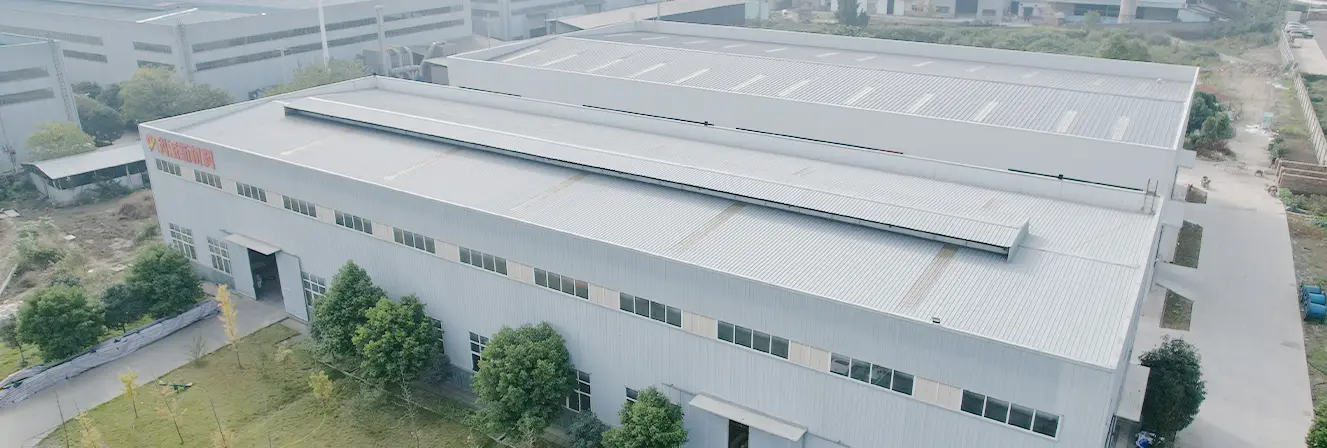
By centering operations inside our 29,000 square meter Sichuan plant, we integrate smelting, continuous casting, precision drawing, extruding, heat treatment, and ultrasonic defect inspection. This structure maintains rapid product iteration capabilities while mitigating supply chain disruptions for international distributors.
Deploying copper alloys and custom bronze elements in mission-critical applications across global industries.
High-conductivity materials play a fundamental role in EV battery modules, charging sockets, and high-voltage distribution terminals. Tellurium copper's combination of 90%+ IACS conductivity and structural machinability allows automated machining of premium charging pins that prevent localized overheating under high-current DC fast charging.
Aerospace components demand materials that resist fatigue under extreme mechanical loading. Our Beryllium Copper (C17200) foils and bars are designed for critical military gear structures, avionics connectors, landing gear bushings, and non-magnetic components, offering high reliability in harsh environments.
Modern MRI equipment, CT imaging, and high-frequency medical devices rely on stable magnetic properties and pure electrical conductivity. Our pure copper tube alloys and beryllium-free high-conductivity options provide high signal fidelity with negligible background noise, crucial for sensitive medical diagnostic systems.
The offshore environment presents relentless galvanic and biochemical corrosion challenges. Using customized phosphor bronzes and lead bronzes, we provide marine engineers with wear-resistant bushings, impeller shafts, and anti-fouling components that lower system wear and extend service life on offshore vessels and drilling systems.
Continuous welding lines and plasma cutting systems experience intense heat cycles. The use of C18150 (Chromium-Zirconium-Copper) and high-purity Tellurium Copper prevents premature erosion of electrode tips and nozzles, lowering downtime and maintaining narrow kerf tolerances in industrial metal cutting.
Modern telecommunications networks use high-reliability connectors to support dense data transfer. Our spring-hardened Beryllium Copper foil and ultra-strength copper-nickel-beryllium (C17510) alloys provide consistent insertion forces and electrical conductivity over millions of operational cycles.

Industrial components rely heavily on predictable supply chain partners.四川科派新材料股份有限公司 (Sichuan Kepai New Materials Co., Ltd.) has developed a robust export infrastructure to supply manufacturers across Europe, North America, East Asia, and emerging markets in Southeast Asia.
Our logistical frameworks ensure all international shipments are accompanied by detailed mill test certifications (MTC), chemical assay breakdowns, and physical stress tests. By partnering with leading ocean carriers and global air couriers, we provide reliable lead times for standard profiles, high-precision drawn rods, and thin-gauge custom copper foils.
Key metallurgical advancements shaping tomorrow's smart systems and green infrastructure.
Historically, increasing tensile strength required adding significant alloying elements, which degraded conductivity. Modern micro-alloying processes, such as adding precise ratios of chromium and zirconium, allow the fabrication of alloys that maintain over 80% IACS while providing yield strengths similar to structural steels.
As global environmental regulations like RoHS tighten restrictions on lead content, the metal industry is shifting away from traditional leaded brass and leaded bronze. Research into sulfur copper, bismuth-infused, and tellurium-infused copper alloys is leading to environmentally compliant alternatives that preserve high machining speeds.
Renewable energy generation, electric powertrains, and grid upgrades require higher transmission efficiencies. UCC materials, developed by integrating carbon nanomaterials into copper matrices, aim to surpass traditional conductivity values, helping reduce transmission losses in high-capacity power lines.
Technical guidance from our R&D department answering common metallurgical and procurement questions.
Commercial tellurium copper often contains trace oxygen, which can cause internal oxide formation and hydrogen embrittlement during high-temperature operations. Kepai utilizes a specialized vacuum induction melting process that limits oxygen content to less than 10ppm. This ensures excellent thermal and electrical conductivity (exceeding 95% IACS), along with clean chip formation during automatic screw machining.
Beryllium copper exhibits high elasticity, fatigue life, and stress relaxation resistance. Following age-hardening, its tensile strength can exceed 1400 MPa, making it ideal for spring clips and miniature electronic connectors. It maintains stable contact forces over long duty cycles, preventing electrical contact degradation in automotive computers and aerospace electronics.
C18150 contains micro-alloyed additions of chromium and zirconium, which form fine precipitates that strengthen the copper matrix. This precipitation-hardened state provides high mechanical strength at temperatures up to 500°C, along with excellent electrical conductivity (typically 80-85% IACS). It is widely used for spot welding electrodes and continuous metal molds, resisting plastic deformation under mechanical loads.
Verification requires requesting a detailed Mill Test Certificate (MTC) conforming to EN 10204 Type 3.1. This certificate details the heat number, chemical composition (measured by optical emission spectroscopy or ICP-AES), physical test values (yield strength, elongation, hardness), and electrical conductivity. Choosing an ISO 9001 certified plant like Kepai ensures strict internal batch control and metallurgical traceability.
Direct sourcing of mill-grade copper foils, wear-resistant phosphor bronze, and high-strength engineering plates.

Leverage the expertise of our advanced R&D team. Get customized chemical analysis, custom profile quotes, or mill-direct logistics schedules tailored for your project.
Submit Technical RFQ Kepai New Material