Explore our high-performance, precision-engineered copper alloys designed for demanding industrial applications.
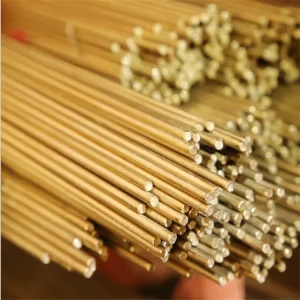
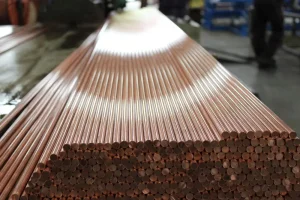
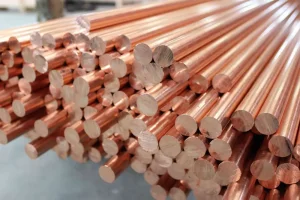
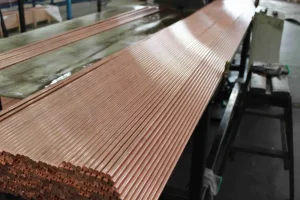
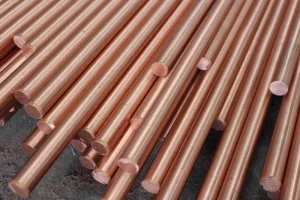
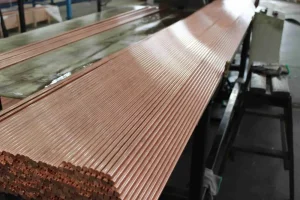
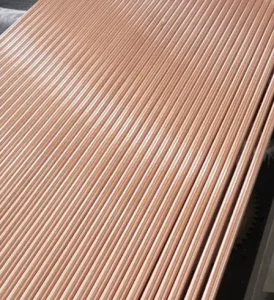
Established in May 2017, Sichuan Kepai New Materials Co., Ltd. is a high-tech enterprise specializing in the research, development, production, and global distribution of high-conductivity, high-strength free-cutting tellurium copper and other advanced special copper alloys.
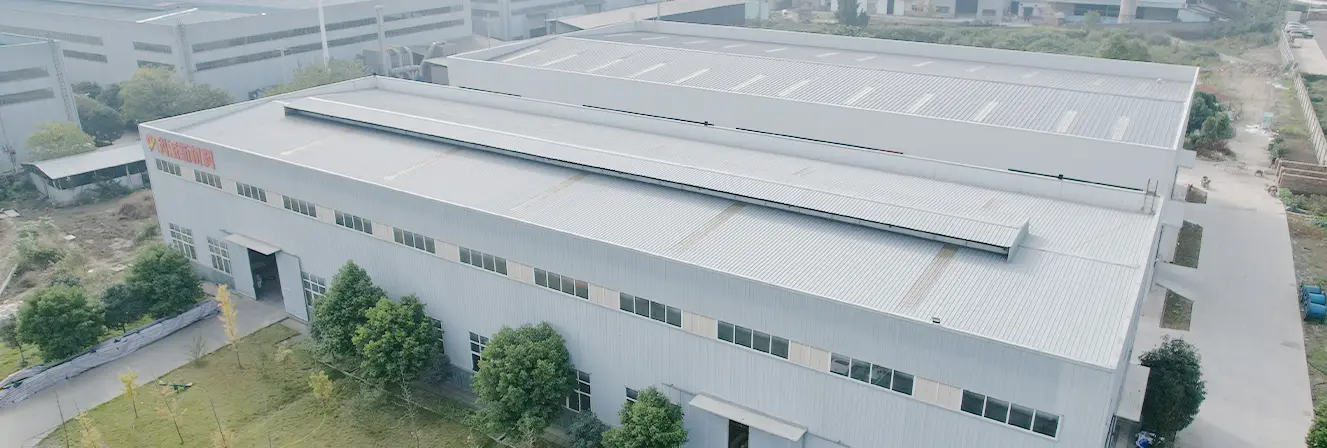
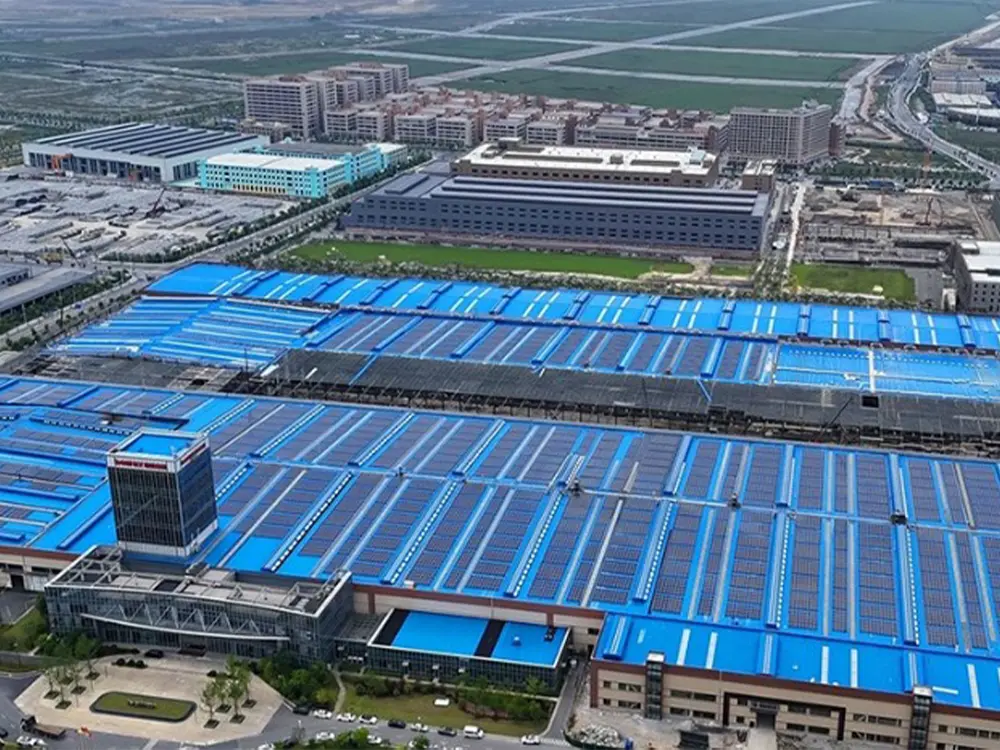
Operating from our modern 29,000 square meter manufacturing facility, we integrate cutting-edge metallurgical processes with rigorous quality control systems to deliver materials that meet the stringent demands of modern high-tech industries, including new energy vehicles, aerospace, medical electronics, and precision manufacturing.
Understanding the metallurgy, performance metrics, and critical engineering requirements of ultra-pure copper alloys.
Oxygen-Free High Conductivity (OFHC) copper, classified under standard designations such as C10100 and C10200, represents the pinnacle of high-purity copper engineering. Unlike standard electrolytic tough pitch (ETP) copper, which contains significant levels of cuprous oxide ($Cu_2O$), OFHC copper is produced through a highly controlled induction melting process under a protective, non-oxidizing atmosphere. This reduces the oxygen content to less than 10 ppm (parts per million) and maintains a total copper purity of at least 99.99%.
For high-temperature applications, the elimination of oxygen is critical. When standard ETP copper is exposed to hydrogen-rich atmospheres at temperatures exceeding 400°C, hydrogen atoms readily diffuse into the metal matrix. These hydrogen atoms react with internal cuprous oxides to form water vapor ($H_2O$):
Because the steam molecule is too large to diffuse out of the copper matrix, it generates immense localized pressure at the grain boundaries. This leads to microscopic void formation, structural cracking, and catastrophic mechanical failure—a phenomenon known as hydrogen embrittlement. Kepai's oxygen-free copper guarantees immunity to hydrogen embrittlement, making it indispensable for vacuum electronics, semiconductor packaging, and high-temperature brazing operations.
The electrical conductivity of copper is measured against the International Annealed Copper Standard (IACS). While standard copper defines the 100% IACS benchmark, Kepai's high-conductivity oxygen-free copper consistently achieves ratings between 101% and 102% IACS. This exceptional rating is achieved by minimizing interstitial impurities (such as phosphorus, iron, and arsenic) which disrupt the crystal lattice and scatter free electrons. The corresponding thermal conductivity exceeds 390 W/(m·K), facilitating rapid heat dissipation in high-power electronic systems.
How Sichuan Kepai leverages regional resources, advanced technology, and supply chain integration to deliver global value.
Sichuan province boasts rich mineral reserves and robust primary smelting infrastructure. This proximity to high-purity copper cathode sources ensures a stable, uninterrupted supply chain and shields our clients from volatile global raw material fluctuations.
Our manufacturing processes leverage Sichuan's extensive clean hydropower grid. By utilizing renewable energy for energy-intensive induction melting, we significantly reduce the embedded carbon footprint of our copper alloys, helping global buyers meet their ESG and scope 3 emission targets.
Through integrated rail and maritime networks, including the China-Europe Railway Express and optimized deep-sea shipping routes, we provide reliable, cost-effective logistics solutions to industrial hubs across North America, Europe, and the Asia-Pacific region.
Explore our specialized product categories engineered to solve complex thermal, electrical, and mechanical challenges.
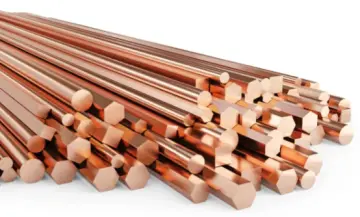
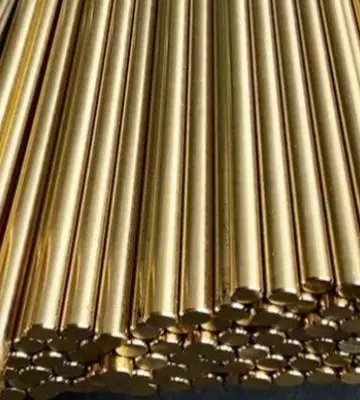
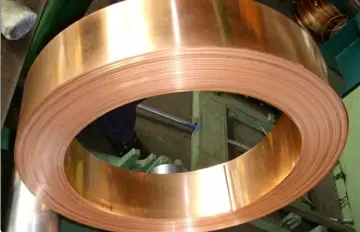
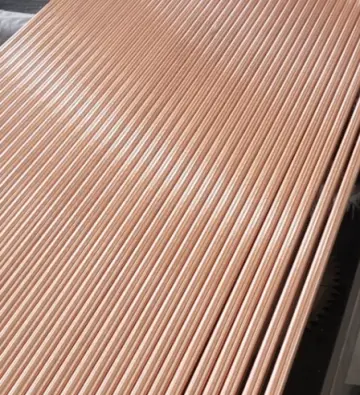
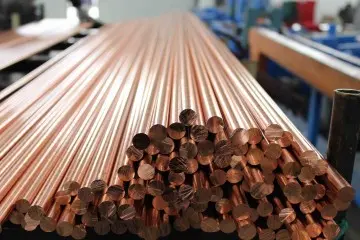
Our oxygen-free copper and high-performance alloys drive innovation across critical global industries.
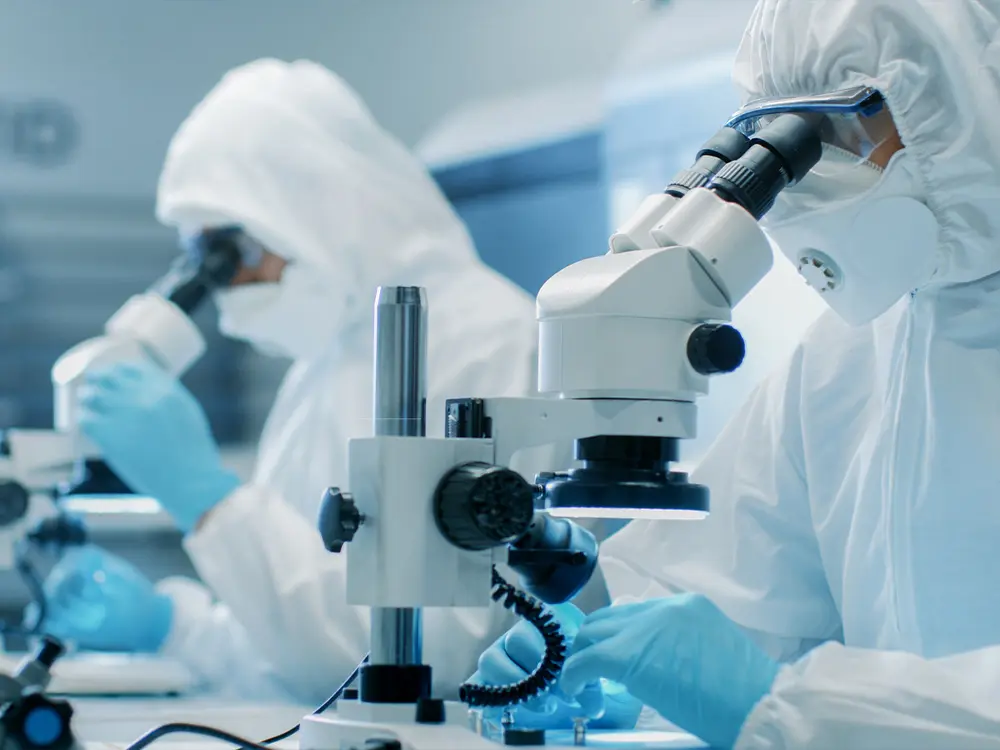
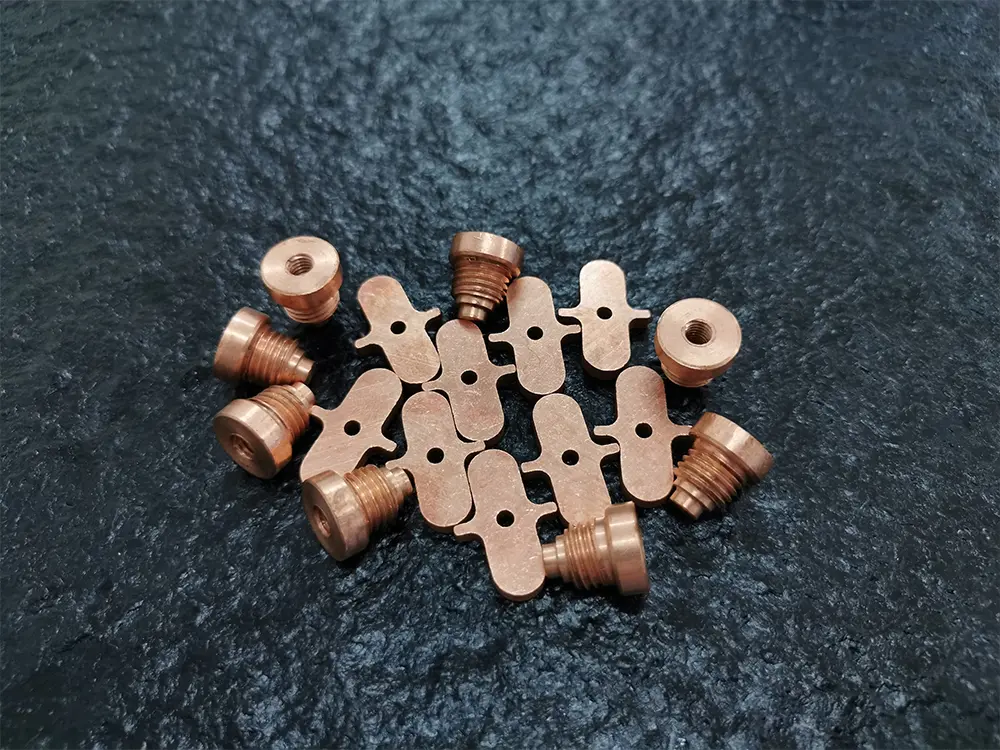


At Sichuan Kepai, innovation is the core driver of our growth. We maintain an independent R&D center staffed by industry-leading metallurgical engineers and material scientists. Our facility is equipped with advanced testing apparatus, including optical emission spectrometers, eddy current conductivity meters, and microhardness testers.
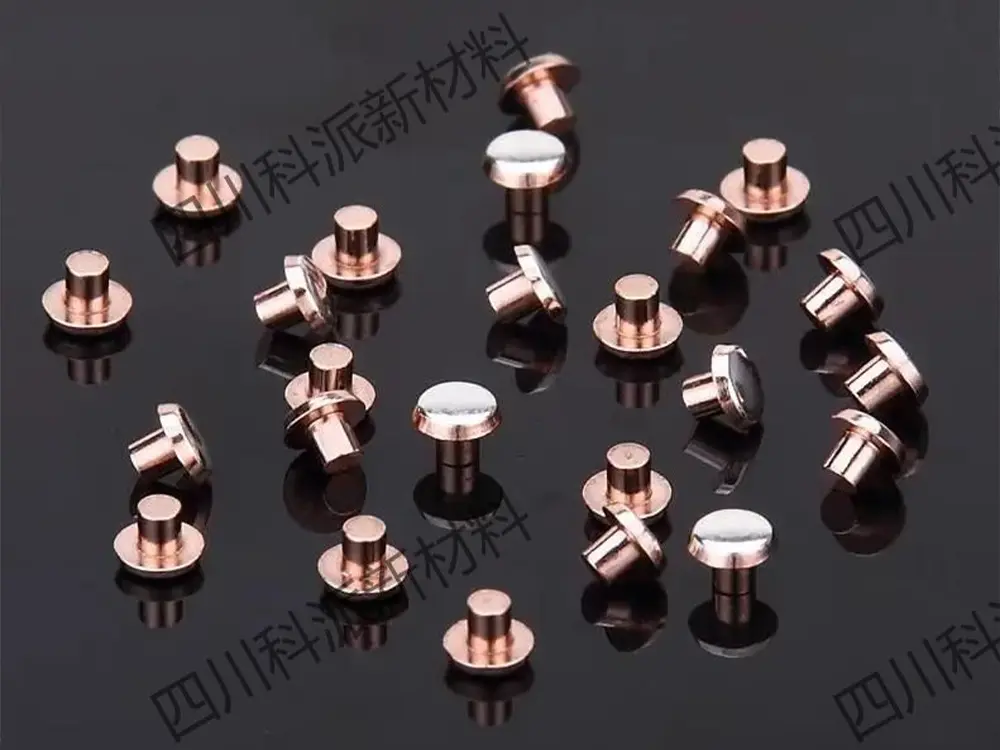
Our R&D team successfully developed a proprietary Oxygen-Free High-Conductivity Tellurium Copper (OFT) alloy. By combining the high electrical conductivity of oxygen-free copper with the excellent machinability of tellurium copper, this material solves a long-standing industry dilemma, allowing high-speed CNC machining of complex electrical contacts without sacrificing electrical efficiency.
We actively participate in the formulation of national and industrial standards for copper alloys, ensuring our products remain at the forefront of technological advancement.
Our manufacturing processes and quality management systems are fully certified under major international frameworks, ensuring consistent quality, environmental responsibility, and occupational safety:
How we support international procurement managers with reliable supply, strict compliance, and custom engineering.
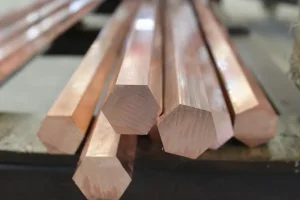
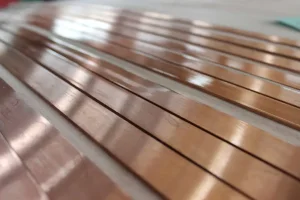
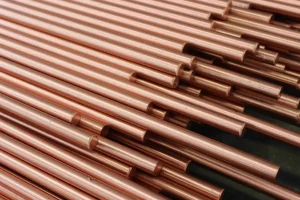
We understand that standard round rods do not fit every application. Our advanced extrusion lines allow us to manufacture custom-profiled copper bars, hexagonal rods, hollow tubes, and flat plates tailored to your exact engineering drawings. This minimizes machining waste and reduces overall production costs for our clients.
Global environmental regulations are increasingly stringent. All Kepai copper alloys are fully compliant with EU RoHS and REACH directives. We strictly monitor and control trace elements, ensuring our leaded alloys remain within permitted thresholds and offering lead-free alternatives (such as our sulfur copper and tellurium copper alloys) for sensitive applications.
Expert answers to the most common technical and metallurgical questions regarding oxygen-free copper alloys.
Get in touch with our technical sales team to request a quote, discuss custom specifications, or order material samples.
Send Inquiry NowBrowse our full range of high-performance copper alloys, manufactured to international standards.
 Kepai New Material