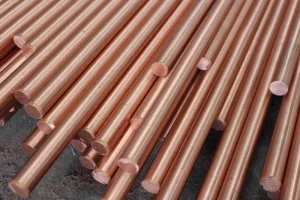
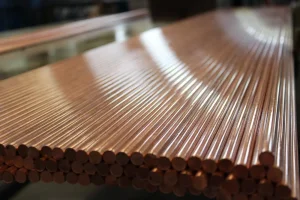
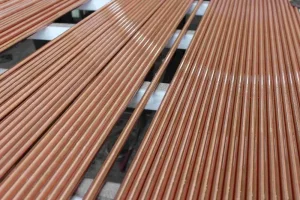
The definitive guide to Chromium Zirconium Copper alloys in the global supply chain.
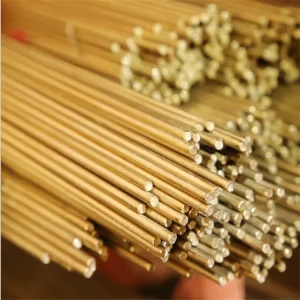
C18150, primarily known as Chromium Zirconium Copper, is a high-strength, high-conductivity alloy engineered for applications where pure copper fails. By incorporating Chromium (0.5-1.5%) and Zirconium (0.05-0.25%), this alloy achieves precipitation hardening. This unique metallurgical process allows it to maintain its hardness at significantly higher temperatures than pure copper.
Unlike standard copper which begins to soften around 200°C, C18150 remains stable up to 500°C. This makes it the industry standard for resistance welding electrodes, where intense heat and pressure are applied simultaneously. It provides an optimal balance of electrical conductivity (minimum 80% IACS) and thermal conductivity.
The global demand for C18150 is surging, driven by the Electric Vehicle (EV) revolution. It is critical for manufacturing battery pack connectors, charging port terminals, and high-voltage switchgear. As the world transitions to green energy, the reliability of C18150 components determines the efficiency of power transmission systems.
Focus on high conductivity and high strength free cutting tellurium copper and other copper alloys
Established in May 2017, Sichuan Kepai New Materials Co., Ltd. is a high-tech private company specializing in R&D, production and sales of high conductivity and high strength free cutting tellurium copper and other special copper alloys.
Established
Floor Space (m²)
Global Clients
Patents
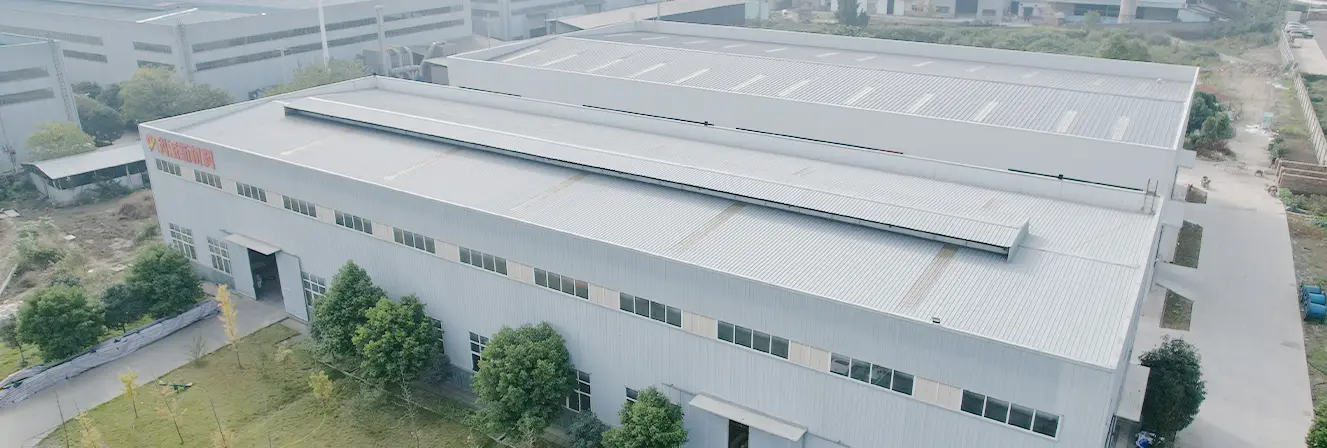
The "Efficiency Advantage" in the modern copper supply chain.
Leading Chinese factories like Kepai manage everything from melting and casting to extrusion and cold finishing. This vertical control ensures consistent chemical composition, crucial for RWMA Class 2 standards.
Chinese manufacturers have moved beyond "volume" to "value." Continuous investment in vacuum melting technology reduces impurities (like oxygen and lead), resulting in higher conductivity and better ductility in the final product.
With massive domestic reserves and refined logistics, Chinese suppliers offer shorter lead times and more flexible MOQs compared to traditional European or American mills, adapting quickly to "Just-In-Time" manufacturing needs.
Automation in Chinese facilities has significantly reduced labor costs while improving precision. Buyers receive aerospace-grade C18150 at commercial-scale pricing, providing a massive "Information Gain" in procurement strategy.
Where C18150 Copper drives innovation across industries.
Used as spot welding caps for galvanized steel sheets. C18150's resistance to sticking and alloying with the zinc coating makes it superior to C18200.
Engineered as mold inserts and cooling pins. Its thermal conductivity allows for faster cycle times, increasing the overall productivity of plastic parts production.
Crucial for busbars in high-capacity energy storage systems (ESS). It provides the mechanical strength to withstand magnetic forces during short-circuit events while maintaining low electrical resistance.
Analyzing the trajectory of the copper alloy industry (2024-2030).
Miniaturization: As electronics become smaller, the demand for high-strength copper alloys that can be machined into micro-components is skyrocketing. C18150 is being refined to have finer grain structures for precision CNC machining.
Green Manufacturing: Suppliers are now focusing on the "Circular Economy." This includes using recycled scrap with advanced refining techniques to reduce the carbon footprint of copper production without compromising purity.
Smart Materials: Integration of sensors into high-heat copper components (like welding electrodes) to monitor wear and conductivity in real-time is the next frontier for "Industry 4.0."
What Fortune 500 companies look for in a C18150 supplier.
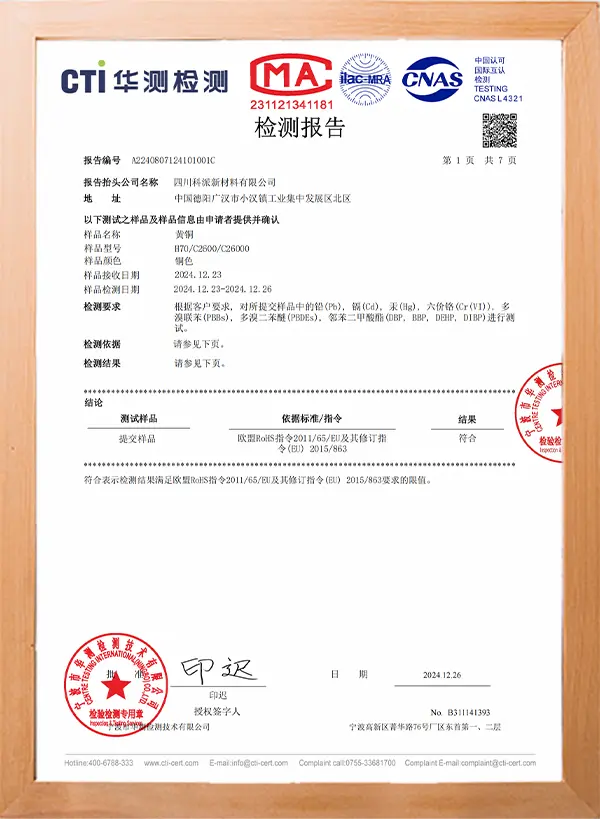
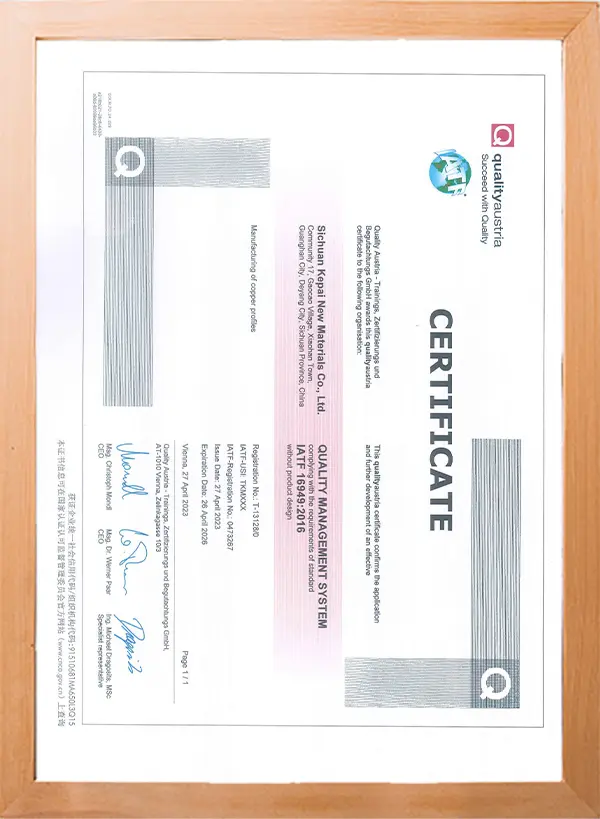
ISO 9001 and IATF 16949 (for automotive) are non-negotiable. Suppliers must provide Mill Test Certificates (MTC) for every batch, detailing chemical composition and physical properties.
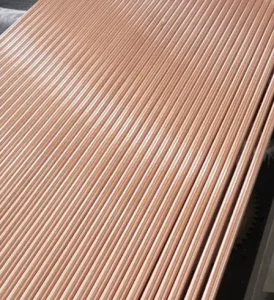
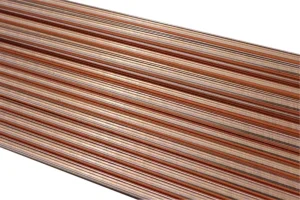
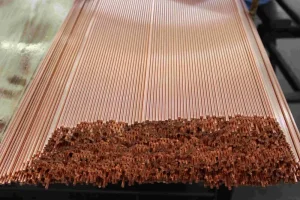
Modern procurement requires bespoke shapes—rods, plates, discs, or even 3D-printed copper powders. Factories with in-house tooling departments have a competitive edge.
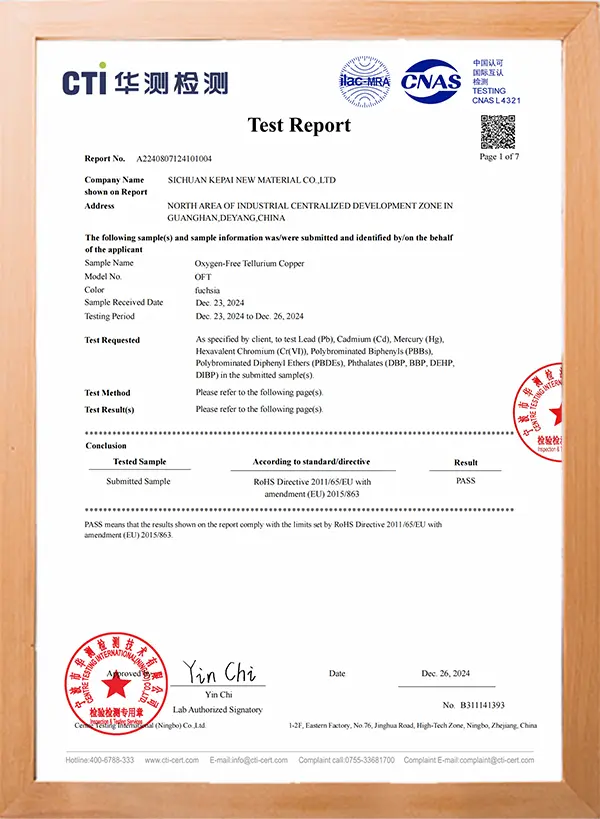
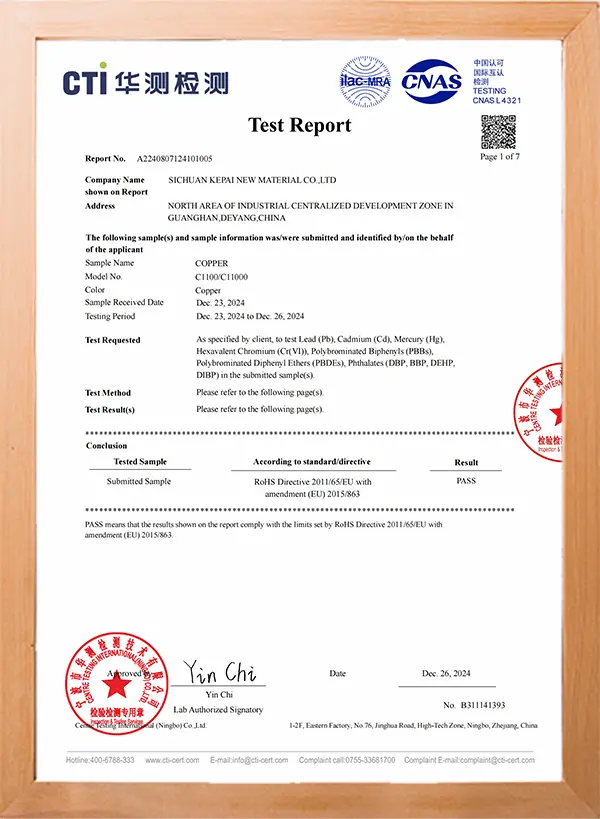
RoHS and REACH compliance are mandatory for the EU and North American markets. Top-tier factories ensure their copper alloys are free from hazardous substances.
Addressing technical concerns of engineers and procurement officers.
In addition to high share of the domestic copper alloy market, Kepai has exported to overseas clients with high reputation.

Consult with our technical experts for customized C18150 solutions tailored to your industry needs.
SEND INQUIRY NOW Kepai New Material