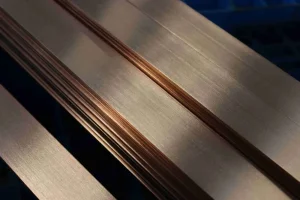
Optimized for high-stress environments in Matsapha industrial zone machinery.
View Specs →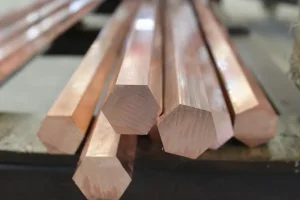
Superior conductivity and fatigue resistance for power distribution networks.
View Specs →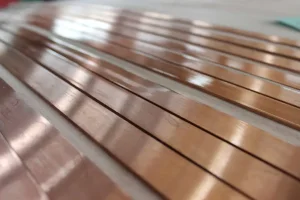
Precision-engineered C17300 rods for high-speed automated machining applications.
View Specs →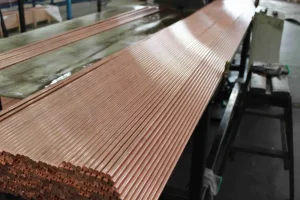
High thermal conductivity ideal for plastic injection molds and heavy industry.
View Specs →Eswatini (formerly Swaziland) is currently undergoing a strategic industrial pivot as part of the Strategic Road Map 2023-2027. As the nation focuses on manufacturing, mining, and energy self-sufficiency, the demand for advanced materials like Beryllium Copper (BeCu) has surged. BeCu, often referred to as the "Master Alloy," provides a unique combination of strength, non-magnetic properties, and spark resistance that is critical for the safety and efficiency of Eswatini's core sectors.
The industrial landscape in Eswatini, centered around the Matsapha and Sidvokodvo areas, is shifting from basic processing to high-value manufacturing. Beryllium Copper is becoming indispensable in:
Established
Production Base
Global Clients
R&D Patents
Sichuan Kepai New Materials Co., Ltd. serves as a critical node in the global supply chain, offering Eswatini companies an alternative to traditional, high-cost European or American suppliers. Our supply chain resilience is built on three pillars:
Development of ultra-thin Beryllium Copper foils (0.01mm) for the next generation of smart meters and IoT devices being deployed across Eswatini's urban centers.
Focus on High-Conductivity BeCu for EV charging infrastructure. As Eswatini adopts more electric vehicles, our alloys will form the backbone of high-speed charging connectors.
Transitioning to closed-loop recycling for BeCu scraps in the Eswatini market, supporting the kingdom’s environmental conservation goals under Eswatini Environment Authority (EEA) guidelines.
Globally, Beryllium Copper remains the benchmark for Precipitation Hardening alloys. Unlike other copper alloys that lose conductivity as they gain strength, BeCu can be heat-treated to reach a tensile strength of up to 1400 MPa while maintaining thermal conductivity that is three to five times higher than steel. This makes it the only viable material for high-cycle spring contacts and heavy-duty switchgear used in global power grids and aerospace modules.
We understand the regulatory framework in Eswatini. All our exports comply with:
Our technical team provides localized support, offering remote metallurgical consulting to help Eswatini factories optimize their heat treatment processes, extending the tool life of their BeCu components by up to 40%.
Standard orders typically take 15-20 days for production, with an additional 25-30 days for sea freight to the Port of Maputo, followed by transit to Mbabane or Manzini.
Yes, we specialize in OEM production. We can manufacture rods, wires, and foils to your exact specifications to minimize machining waste at your local facility.
BeCu is used in the mechanical parts of the sugar production line (bearings, bushings) where spark resistance is required. It is not intended for direct food contact surface unless coated.
We use vacuum induction melting and spectrographic analysis to ensure Beryllium content stays strictly within the ASTM/UNS range (e.g., 1.8-2.0% for C17200).

The ultimate strength alloy for aerospace and heavy-duty industrial valves.
View Specs →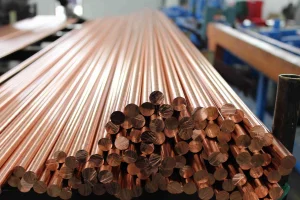
Enhanced machinability for precision electronic hardware and fasteners.
View Specs →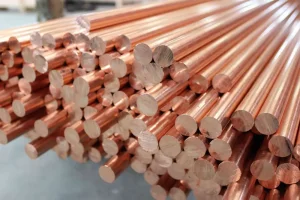
Optimized for high-speed screw machine products in electrical assemblies.
View Specs →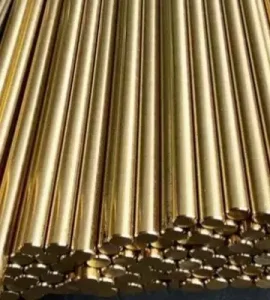
Excellent cold forming properties for the Eswatini manufacturing sector.
View Specs →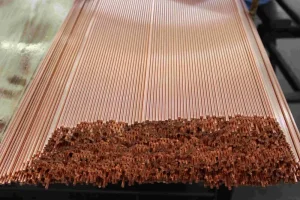
99.9% conductivity for Eswatini's energy transition projects.
View Specs →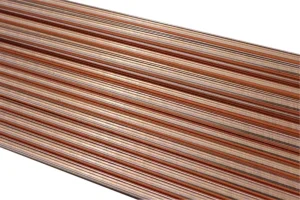
Superior thermal performance for resistance welding electrodes.
View Specs →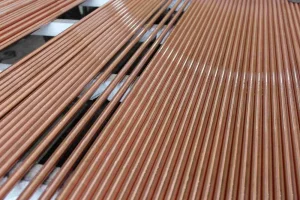
High-efficiency material for precision-turned components.
View Specs →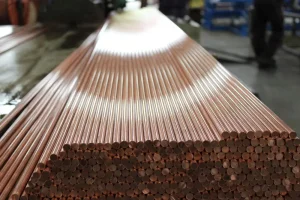
Engineered for high-load bearings and bushings in heavy machinery.
View Specs →Partner with China's leading precision copper alloy factory. Get high-performance materials tailored to your specific industrial needs today.
Get a Custom Quote Now Kepai New Material