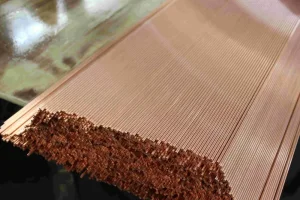
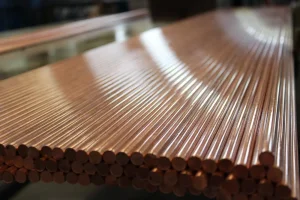
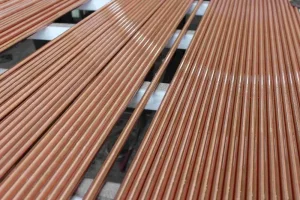
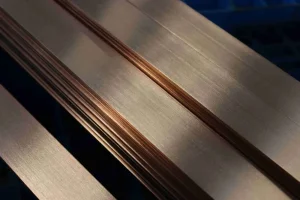
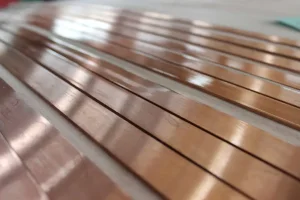
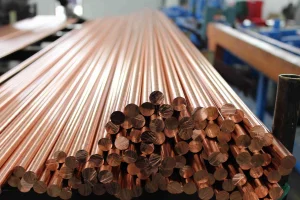
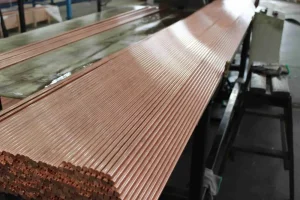
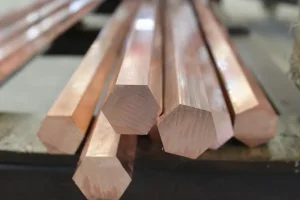
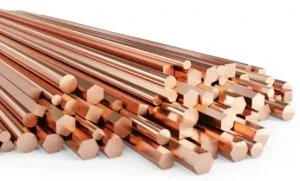
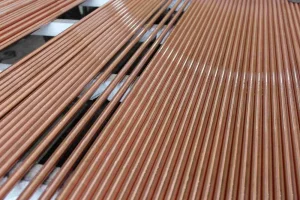
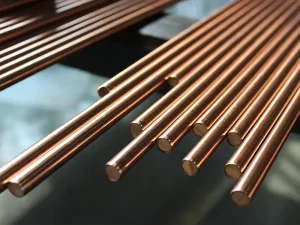
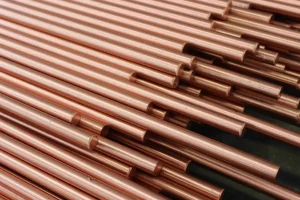
C17500, commonly known as Beryllium Cobalt Copper, is a high-performance precipitation-hardening alloy. It offers a unique combination of high electrical conductivity (approx. 45-60% IACS) and exceptional thermal conductivity, paired with high tensile strength and fatigue resistance. Unlike the higher beryllium alloys (C17200), C17500 is specifically engineered for applications requiring superior heat dissipation and moderate strength.
In the current global industrial landscape, C17500 is indispensable for the automotive, aerospace, and electronics sectors. As the world shifts towards Electric Vehicles (EVs) and 5G infrastructure, the demand for materials that can handle high current densities without losing structural integrity has surged. Companies worldwide are prioritizing C17500 for spot welding electrodes and high-stress electronic connectors.
The addition of Cobalt (Co) in C17500 acts as a grain refiner, allowing the alloy to maintain its hardness at higher operating temperatures compared to standard copper-beryllium. This "Information Gain" is crucial for engineers designing components for harsh environments where thermal softening is a failure risk.
Established in May 2017, Sichuan Kepai New Materials is a high-tech pioneer specializing in R&D, production, and sales of high-conductivity, high-strength special copper alloys. We focus on tellurium copper and custom beryllium-cobalt-copper solutions that redefine industry standards.
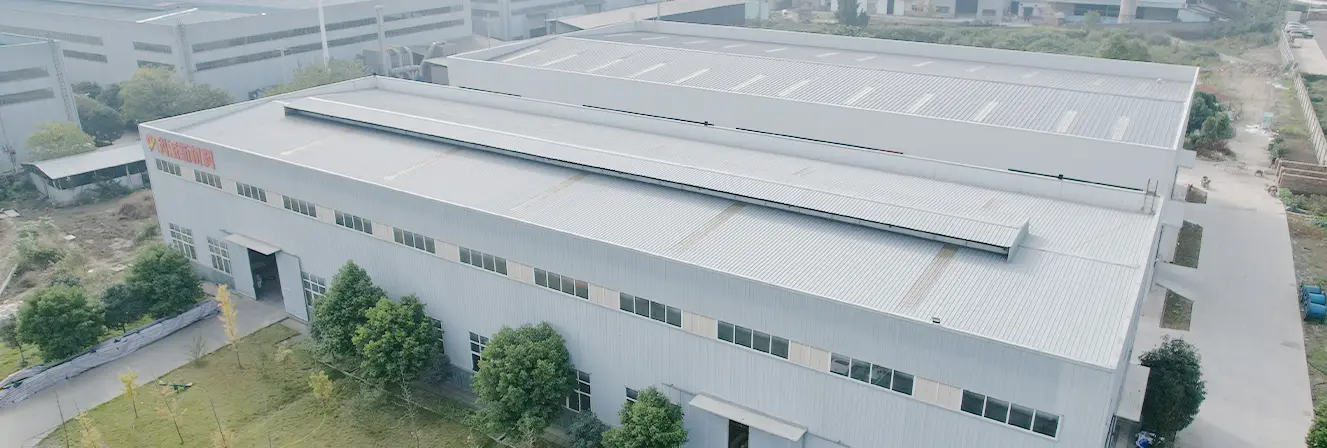
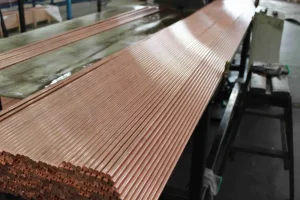
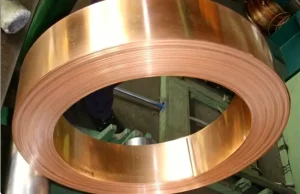
Chinese factories like Kepai integrate smelting, extrusion, and cold drawing in one location. This reduces logistics costs and ensures that the chemical composition—especially the delicate balance of Beryllium and Cobalt—is monitored from the initial melt to the final rod or plate.
The efficiency of the Chinese industrial ecosystem allows for "Custom C17500" orders. Whether you need specific hardness (HRB/HRC) or a unique conductivity profile for a specialized aerospace component, our localized R&D teams can deliver samples in half the time of Western competitors.
By leveraging large-scale production and advanced automation (AI-driven quality control), we provide Class 3 RWMA standard materials that meet global certifications (ISO/IATF) at a price point that facilitates global growth.
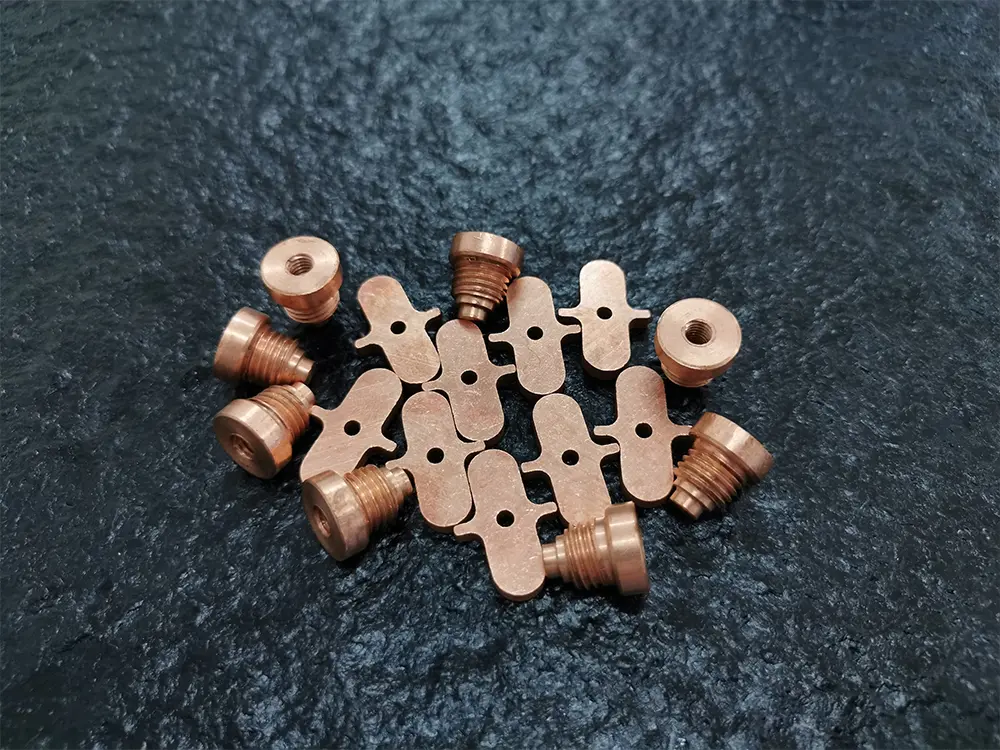
Used in high-voltage connectors and battery busbars where heat management is critical.

Generator components and high-reliability data transmission housings in satellite systems.

Beryllium copper's non-magnetic properties make it ideal for MRI components and precision sensors.

Excellent resistance to seawater corrosion and biological fouling for underwater instrumentation.

Our independent team focuses on oxygen-free variants of C17500, reducing oxides to improve fatigue life and electrical stability.

ISO9001:2015, ISO14001:2015, and OHSAS 45001:2018 certified. We adhere strictly to RWMA standards for resistance welding applications.

Developing lead-free and environmentally friendly copper alloys to meet RoHS and REACH compliance for global export.
A: C17500 contains Cobalt (Co) as the primary alloying element alongside Beryllium, while C17510 uses Nickel (Ni). C17500 is often preferred in the Americas for spot welding electrodes, whereas C17510 is more common in European specifications. Both offer similar conductivity (45-60% IACS).
A: Yes, C17500 is a precipitation-hardenable alloy. It is usually supplied in the AT (solution annealed and aged) or HT (cold worked and aged) condition to achieve maximum physical properties without losing conductivity.
A: C17500 falls under RWMA Class 3. It is recommended for projection welding dies, flash and butt welding dies, and current-carrying shafts and bushings where high strength and thermal conductivity are required.
A: Kepai offers "Information Gain" through our proprietary oxygen-free casting process. Our C17500 exhibits higher purity, resulting in more stable electrical performance and 20% longer life for welding consumables compared to standard market offerings.
A: When finished properly, C17500 is safe. It is non-magnetic and bio-compatible in many external instrument applications, making it a staple for MRI and diagnostic equipment manufacturing.
In addition to high share of the domestic copper alloy market, Kepai has exported to overseas clients in North America, Europe, and Southeast Asia with high reputation.

 Kepai New Material