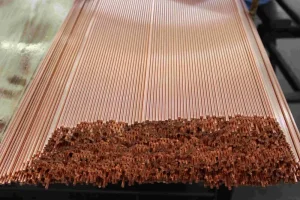
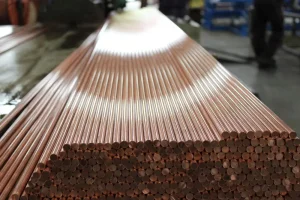
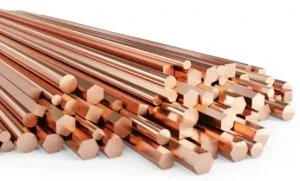
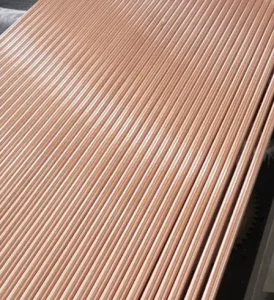
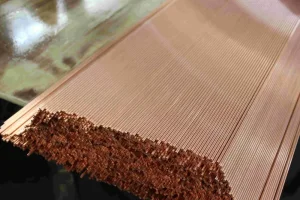
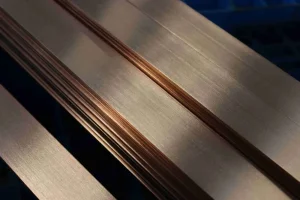
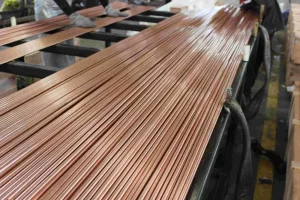
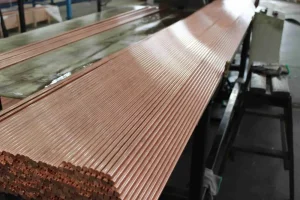
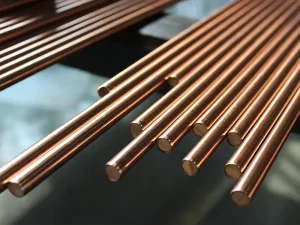
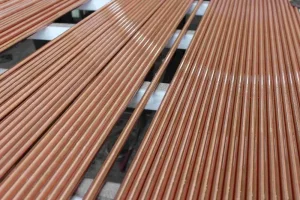
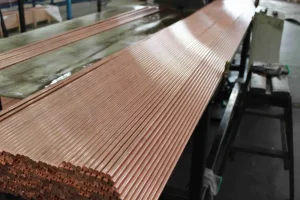
Explore our elite portfolio of precision-engineered copper formulations, including custom high-purity variants, beryllium copper grades, tellurium copper, and premium anti-wear alloys.
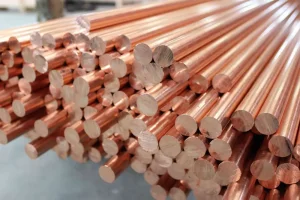
Within high-performance industrial metallurgy, Copper Alloy 172 (principally categorized under UNS C17200, and standard beryllium copper) occupies a critical tier. This precipitation-hardenable alloy represents an optimal convergence of mechanical resilience and physical conductivities. Boasting tensile strength thresholds that can confidently exceed 1,400 MPa (200 ksi) alongside a hardness index rivaling high-alloy tool steels, C17200 remains unmatched in challenging environments.
By blending approximately 1.8% to 2.0% Beryllium with pure copper, material scientists achieve a structural matrix optimized for spinodal decomposition and precipitation hardening. This deliberate lattice structure offers unparalleled resistance to fatigue, galvanic corrosion, hydrogen embrittlement, and non-sparking safety constraints. For procurement directors, aerospace engineers, and OEMs seeking the Best Copper Alloy 172 Manufacturer, identifying partners who offer verified metallurgical certifications, precise thermal-treatment processing, and absolute traceability is essential.
Our premium Beryllium Copper C17200 profiles strictly comply with dominant international standards, ensuring seamless cross-border industrial integration: ASTM B194 (Sheet, Strip, Plate), ASTM B196 (Rod and Bar), AMS 4533/4534 (Aerospace Standards), and EN 12163/4/5/7 (European Structural Norms).
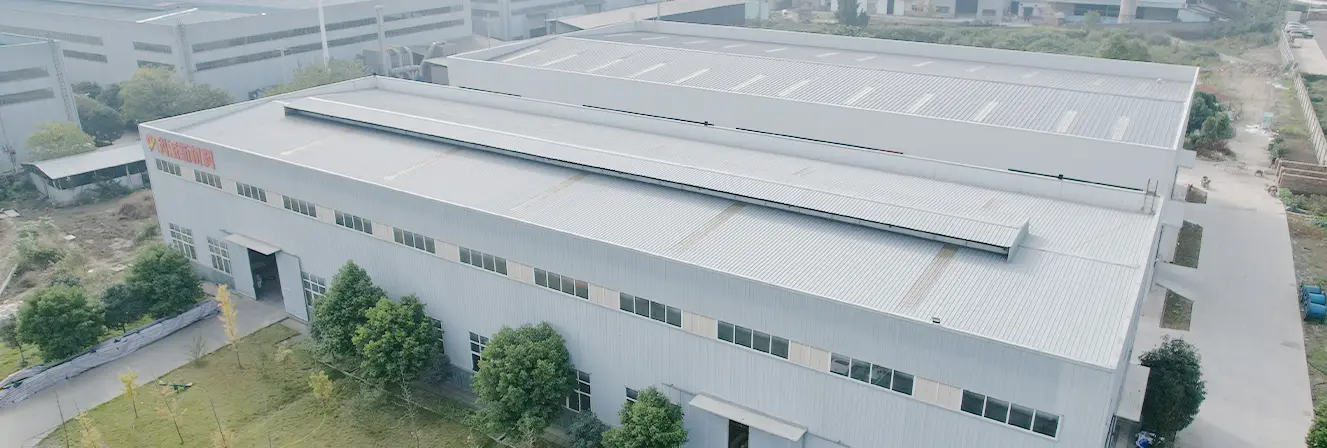
From advanced metallurgical synthesis to global downstream commercial delivery, our operational indicators reflect absolute excellence.
How high-purity C17200 Beryllium Copper mitigates operational risk across the planet's most demanding environments.
In commercial aviation and aerospace engineering, failure is not an option. Copper Alloy 172 is the foundational material used for critical landing gear bushings, wing actuator bearings, instrument housings, and high-reliability connectors. The alloy's superior strength-to-weight ratio prevents dimensional deviation under thermal fluctuation.
For subsea oil and gas applications, components must withstand enormous hydrostatic pressures and corrosive salt-water environments. C17200 provides exceptional resistance to stress corrosion cracking (SCC) and localized pitting, making it ideal for directional drilling tool housings, undersea instrumentation, and marine fasteners.
As electric vehicles shift to high-voltage platforms, terminal pins, heavy-duty battery relays, and high-frequency charging connectors require alloys that combine high spring tension with solid electrical and thermal conductivity. C17200 foils and precision strips prevent contact relaxation over years of thermal cycling.
As leading manufacturers, we take global safety standards seriously. In solid, finished component states, Beryllium Copper poses no inhalation or biological risks. However, specialized handling is required during machining processes that produce inhalable dust or fumes. Sichuan Kepai implements state-of-the-art wet-processing filtration systems and supplies comprehensive safety datasheets (SDS) along with our products to ensure full compliance with EU REACH and RoHS regulations.
Understanding which copper formulation to select requires a detailed performance comparison. While pure copper (C11000) provides exceptional electrical transmission, it lacks the mechanical strength required for dynamic stress. Conversely, leaded bronzes offer good wear resistance but exhibit low electrical parameters. C17200 provides an optimal balance of structural strength and conductivity.
Established in May 2017, Sichuan Kepai New Materials Co., Ltd. operates a specialized 29,000 square meter facility dedicated to the research, development, and high-precision manufacturing of premium copper alloys. Armed with over 30 patents, our engineering team developed high-conductivity oxygen-free tellurium copper as well as premium precipitation-hardened beryllium copper solutions.
An engineering deep-dive into heat treatment protocols, material phases, and dimensional properties.
The exceptional strength of C17200 is unlocked through a two-stage thermal cycle: solution annealing followed by precipitation age-hardening. Annealing at 760°C to 800°C puts beryllium atoms into a solid solution. Water quenching preserves this state. Subsequent aging at 315°C to 345°C causes coherent beryllium-rich precipitates to form, which dramatically strengthens the copper matrix.
Standard C17200 can be challenging to machine in its fully hardened state. To address this, C17300 (which adds a trace amount of lead) can be used as a free-machining alternative. This variant allows for higher cutting speeds and extends tool life without compromising the alloy's mechanical and electrical performance.
Beryllium copper is highly compatible with other high-performance alloys. Additionally, its non-sparking properties are essential in explosive environments, such as petrochemical facilities and mining operations, where spark-free safety is required by law.
As consumer electronics shrink and medical technologies advance, the demand for thin-gauge beryllium copper foils is increasing. Sichuan Kepai is leading the way by developing ultra-thin, highly elastic foils down to 0.05 mm. Our research and development center is also focused on developing new, eco-friendly copper alloys that deliver similar mechanical properties while simplifying recycling processes.
Answers to common technical and metallurgical questions asked by procurement teams and design engineers.
Need custom profiles, specific tempers, or detailed material test reports? Contact our team of metallurgical engineers today for expert technical support and pricing.
Contact Our Technical Sourcing TeamReview the remainder of our advanced material offerings, designed to meet strict performance requirements across high-temperature and high-frequency applications.
 Kepai New Material