Explore our certified range of high-performance tellurium copper, sulphur copper, and beryllium bronze materials engineered for modern electrical grid components, connectors, and CNC production.
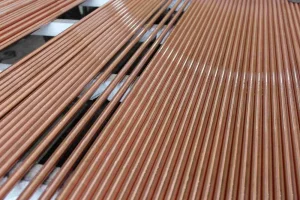
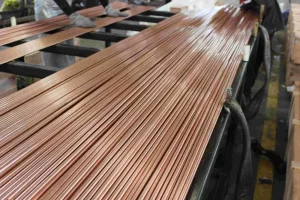
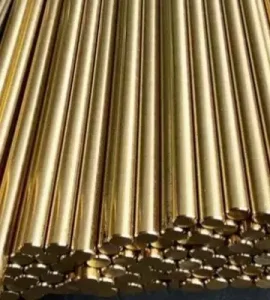
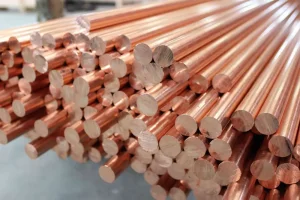
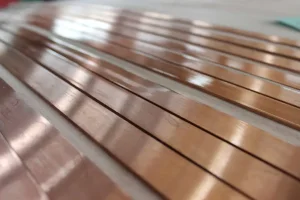
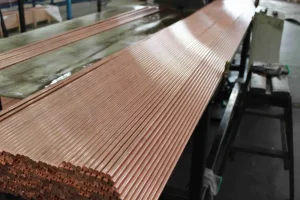
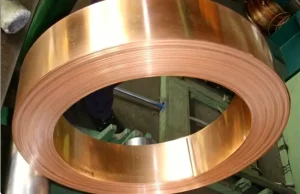
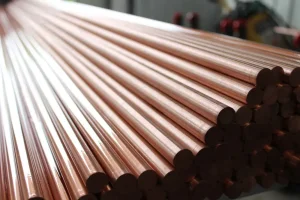
In the modern landscape of high-precision component manufacturing, electronic design, and heavy-duty electric vehicle (EV) charging networks, metallurgical selection acts as the core differentiator between operational excellence and system failure. For decades, component designers relied heavily on standard free-machining brass or leaded copper to produce intricate, tight-tolerance connectors. However, modern environmental standards (such as RoHS III and REACH directives) and severe thermal limits imposed by high-amperage applications have rendered traditional choices obsolete.
Enter C14700 Sulphur Copper (UNS C14700). This specialized, high-conductivity, free-machining alloy is meticulously formulated to resolve the fundamental material engineering paradox: how to achieve high machinability without sacrificing electrical and thermal transfer capabilities. By introducing a precisely managed amount of sulfur (typically 0.20% to 0.50%) into a 99.6% pure copper matrix, the resulting metal retains an outstanding electrical conductivity rating of 90% to 96% IACS (International Annealed Copper Standard) while boosting the machinability index to 85% (relative to free-cutting brass C36000 at 100%).
For global procurement divisions within the aerospace, automotive, renewable energy, and microelectronics sectors, securing a reliable and technically certified sulphur copper exporter is critical. It enables seamless production lines, reduces machine downtime, minimizes tool wear, and guarantees the structural and conductive integrity of end-use industrial applications.
Understanding how C14700 Sulphur Copper matches against alternative high-performance copper grades under technical metrics.
| Alloy Grade & Name | UNS Number | Electrical Conductivity (% IACS) | Machinability Index (Brass = 100) | Primary Alloying Elements | Key Strengths & Industry Roles |
|---|---|---|---|---|---|
| Sulphur Copper | UNS C14700 | 90 - 96% | 85 | Cu + 0.2-0.5% S | High-speed CNC, low heat buildup, non-galling |
| Tellurium Copper | UNS C14500 | 93 - 98% | 85 | Cu + 0.4-0.7% Te + P | High thermal dissipation, excellent hydrogen-embrittlement resistance |
| Beryllium Copper | UNS C17200 | 22 - 28% | 20 | Cu + 1.8-2.0% Be + Co | Extreme tensile strength, fatigue resistance, spring properties |
| Pure ETP Copper | UNS C11000 | 101% | 20 | Cu (99.9% min) | Maximum conductivity, poor machinability (gummy chip formation) |
| Beryllium Cobalt Copper | UNS C17500 | 45 - 60% | 30 | Cu + 0.5% Be + 2.5% Co | Resistance welding electrodes, high thermal/mechanical stress mold inserts |
| Phosphor Bronze | UNS C51100 | 20% | 20 | Cu + 4.0% Sn + 0.2% P | Excellent spring properties, high wear, resistance to fatigue |
Sulphur Copper is not just a material; it is the fundamental enabler of next-generation power infrastructure and precision robotics.
As electric vehicle grids scale towards ultra-fast charging (350kW and beyond), liquid-cooled and standard solid pins require highly conductive metals. Using C14700 Sulphur Copper allows automated CNC centers to mass-produce complex contact geometries with high dimensional accuracy. The reduction in friction during machining ensures zero localized micro-fissures, preventing long-term corrosion or mechanical failure under cyclical heat loads.
Modern avionics demand high integrity signals with zero distortion. Traditional brass connectors are highly resistive and prone to skin-effect signal loss at high frequencies. Pure copper is too difficult to machine into miniature RF connectors. Sulphur copper is the ideal medium, ensuring high electrical conductivity, perfect surface finish, and tight dimensional control for connectors, coaxial pins, and complex busbars.
In heavy-duty automotive assembly lines, robotic spot welding tips and plasma-cutting electrodes are continuously bombarded with thermal energy. C14700's structural composition provides resistance to softening at elevated temperatures compared to pure copper. This longevity directly translates to a decrease in replacement frequency, saving manufacturing enterprises thousands of dollars in line halts.
Established in May 2017, Sichuan Kepai New Materials Co., Ltd. is a high-tech private enterprise specializing in the research, development, production, and sales of high-conductivity, high-strength free-cutting tellurium copper, sulphur copper, and other specialized high-performance copper alloys.
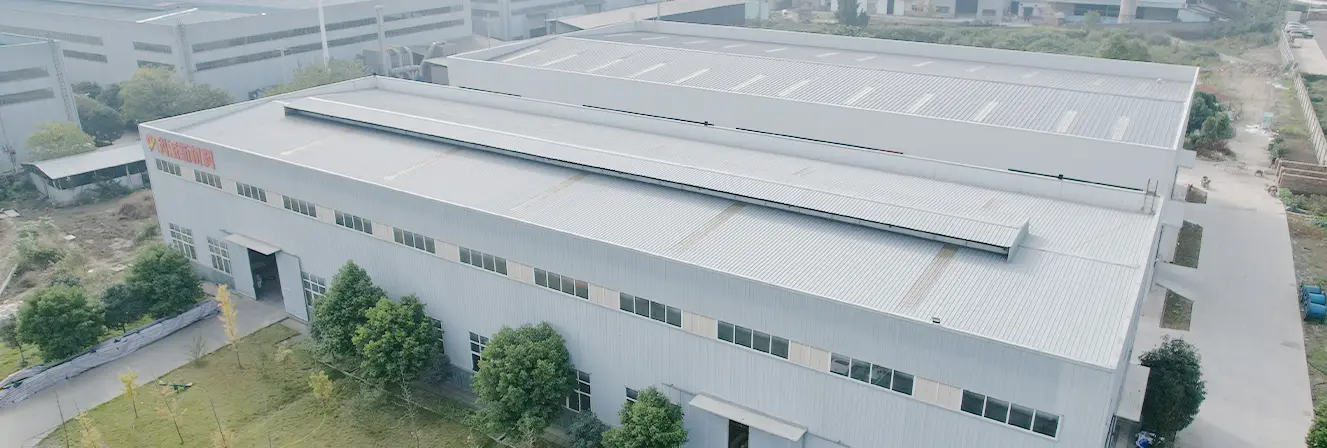
Kepai has revolutionized the copper smelting industry by building its own independent R&D team and a complete production system. Located in a modern 29,000 square meter facility, the company leverages cutting-edge technology to supply green, environmentally friendly, and sustainable materials to global enterprises.
Holding more than 30 patent certificates, Kepai continuously pushes the envelope of copper metallurgy. Beyond producing standard alloys, our R&D team successfully developed an ultra-high conductivity, oxygen-free tellurium copper and highly stable C14700 Sulphur Copper that outperforms traditional competitive alloys in mechanical and thermal endurance.
How our engineering team overcomes traditional alloy limitations through precision chemistry control and state-of-the-art extrusion methodologies.
Our vacuum smelting procedures eliminate oxygen residues, reducing the danger of hydrogen embrittlement during subsequent hot working or welding phases. This guarantees high-vacuum stability in electron tube and space applications.
By using modern, proprietary thermal profiling, we ensure that copper sulfides (Cu₂S) form microscopic, uniformly dispersed inclusions within the grain structure. This acts as an integrated chip-breaker, producing excellent surface finish.
We proactively engineer alloys that adhere strictly to European RoHS III requirements. By replacing lead completely with micro-alloyed sulfur or tellurium, we guarantee 100% green recyclability without compromising speed or efficiency.

Serving high-demand clients in North America, Germany, Japan, and South Korea requires more than outstanding metallurgical science; it requires extreme logistics execution and absolute quality assurance. Sichuan Kepai New Materials operates under a rigorous certification matrix, including ISO 9001:2015 (Quality Management), ISO 14001:2015 (Environmental Management), and ISO 45001:2018 (Occupational Health and Safety).
Each export batch undergoes comprehensive spectrometer testing, ultrasonic flaw detection, and mechanical stress profile checks. To protect these premium alloys during trans-oceanic shipping, all rods, tubes, wires, and customized extruded profiles are packaged with high-grade anti-oxidation films, desiccants, and structurally sound wooden reinforcement casing. We guarantee that from our factory floor in Sichuan to your assembly facility anywhere in the world, the metal remains in pristine, untarnished, and immediately operational condition.
Our complete collection of oxygen-free coppers, chromium zirconium copper, lead bronze, and custom specialty alloys manufactured to ASTM, EN, and JIS standards.
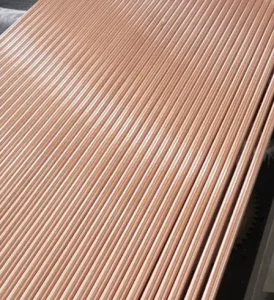
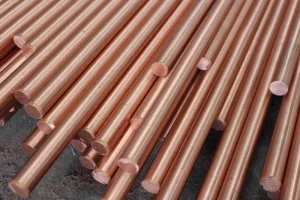
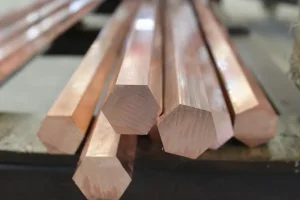
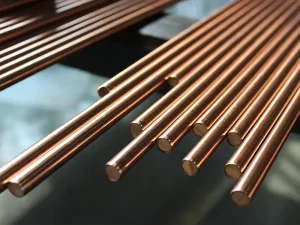
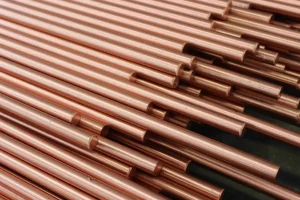
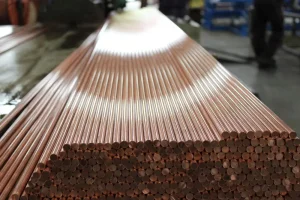
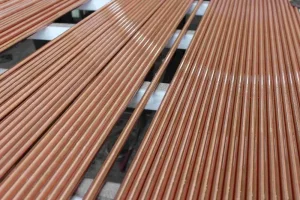
High-purity electrolytic copper (C11000) possesses remarkable electrical capabilities but exhibits poor performance on automatic lathes. Its extreme ductility leads to sticky, elongated chips that continuously wrap around cutting tools, generating severe friction and excessive heat. This results in poor dimensional control and rapid degradation of carbide inserts.
To resolve this, metallurgical engineers introduce a controlled volume of sulfur. Unlike other alloying elements that dissolve directly into the copper grain structure (which severely restricts electron movement and decimates electrical efficiency), sulfur remains largely insoluble. During cooling, it forms microscopic, needle-like particles of copper sulfide (Cu₂S). These particulates are distributed uniformly throughout the copper matrix, acting as micro-stress concentrators.
As the CNC tool shears the sulphur copper, the chips fracture into small, crisp segments at the site of the sulfide particles. This immediate chip breakage lowers cutting forces, reduces energy consumption, and maintains a cool cutting zone, which keeps the material stable. Consequently, industrial operators can increase feed rates and spindle speeds by up to 300% relative to pure ETP copper, while achieving a flawless, mirror-like surface finish.
Our materials serve critical high-reliability components across multiple international technology sectors.

High-purity antimicrobic surfaces, precision instrumentation sensors, and diagnostic imaging equipment connectors.
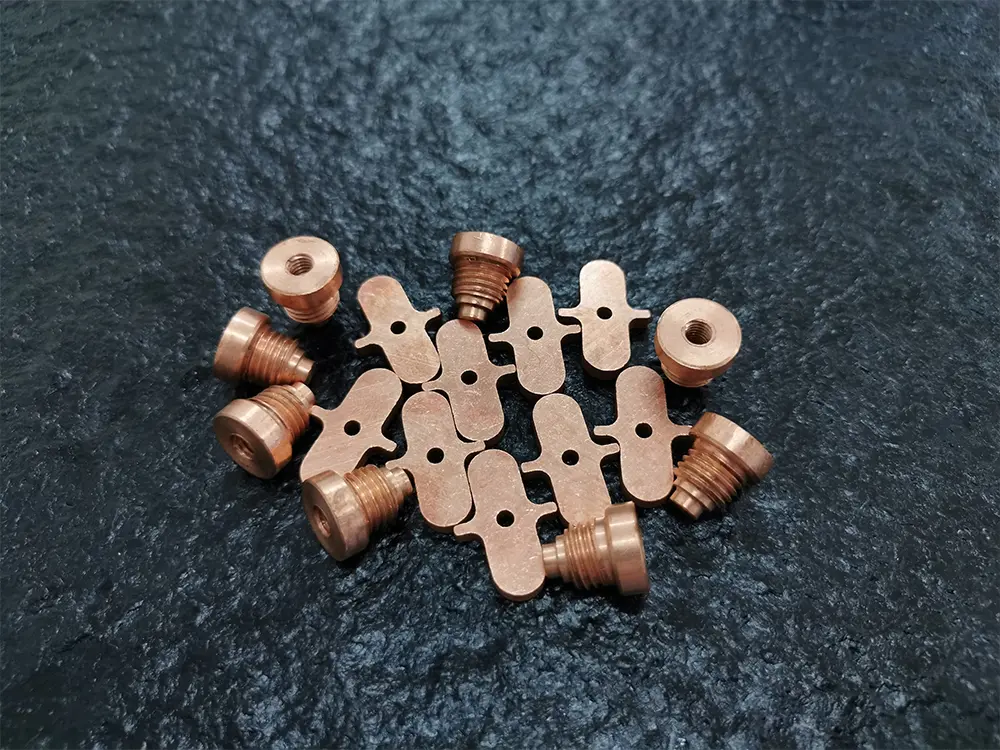
Heavy-duty charging plug terminals, battery busbars, and in-vehicle high-current connectors.

Precision wire relays, high-frequency radar telemetry units, and severe-condition generator contacts.

Corrosion-resistant offshore valve systems, heat exchangers, and biological-fouling prevention plates.
Expert answers addressing specialized technical inquiries from procurement managers, metallurgy engineers, and supply chain analysts.
According to ASTM standards, C14700 has a chemical composition profile of 99.6% Copper (Cu) minimum (with Silver content included as Copper), micro-alloyed with 0.20% to 0.50% Sulfur (S), and a trace control level of Phosphorus (P) typically measured between 0.003% and 0.012% to assist in deoxidization. This balance guarantees that electrical conductivity stays above 90% IACS while providing robust, free-machining performance.
Sulphur Copper (C14700) and Tellurium Copper (C14500) both share a high machinability rating of 85%, relative to the benchmark C36000 Free-Cutting Lead Brass rated at 100%. By comparison, pure copper (C11000) features a rating of only 20%. This implies C14700 allows high feed speeds and produces clean, short, broken chips similar to brass, but with more than quadruple the electrical conductivity.
Yes. Sulphur Copper shows excellent cold-working and hot-forming capabilities. It is suitable for brazing and soldering processes. However, because it contains sulfur, conventional gas metal arc welding (GMAW) is generally not recommended as the sulfur can induce gas porosity in the joint. For parts requiring extensive welding, our technical engineering team recommends reviewing our customized low-oxygen or oxygen-free tellurium copper grades.
Sichuan Kepai New Materials is dedicated to sustainable, green manufacturing. Our C14700 and C14500 high-conductivity alloys are engineered as lead-free alternatives to leaded brass (C36000) and leaded copper bronze. We strictly adhere to RoHS III and REACH criteria, guaranteeing that our materials remain completely compliant with stringent environmental directives in Europe, the Americas, and APAC regions.
Copper is highly susceptible to atmospheric oxidation (tarnishing) when exposed to moisture and salt spray. To protect the metal, Kepai utilizes a multi-layer anti-corrosion barrier. Products are first wrapped with moisture-blocking film, combined with industrial desiccants, and vacuum sealed. The sealed packages are placed in heavy-duty wooden crates lined with structural reinforcement to prevent physical impact damage, ensuring they arrive at your warehouse ready for production.
Do you require customized chemical compositions, specific temper ratings (half-hard, hard, annealed), or custom profile shapes? Our experienced metallurgy team is standing by to optimize your supply chain.
Send Inquiry Now Kepai New Material