As the economic engine of Vietnam, Ho Chi Minh City (HCMC) has evolved into a global epicenter for electronics, telecommunications, and high-tech manufacturing. With the rapid expansion of industrial parks such as the Saigon Hi-Tech Park (SHTP) and Tan Thuan Export Processing Zone, the demand for precision-engineered materials like Sulfur Copper (C14700) has reached unprecedented levels. Global giants like Intel, Samsung, and Jabil operating in the region require copper alloys that offer a unique balance of high electrical conductivity and superior machinability.
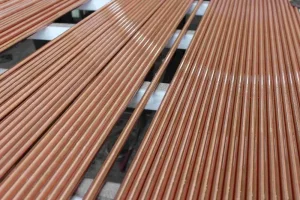
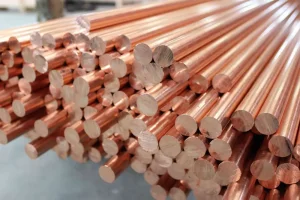
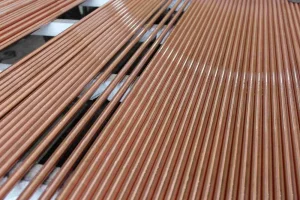
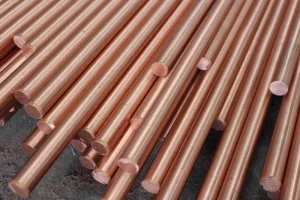
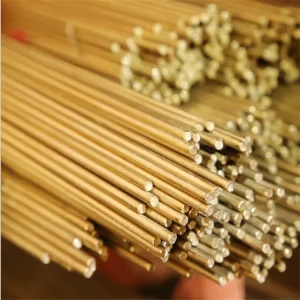
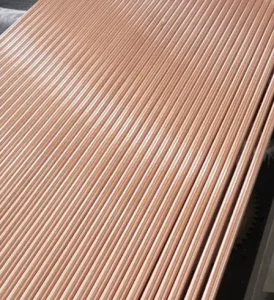
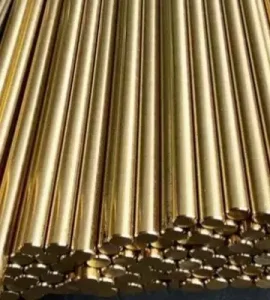
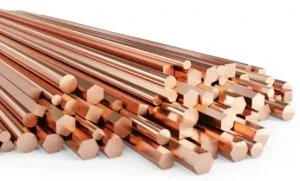
Sulfur copper (ASTM B301) is the unsung hero of the connector and terminal industry. Unlike standard pure copper, which is notoriously difficult to machine due to its ductility, C14700 contains a controlled addition of approximately 0.20% to 0.50% sulfur. This micro-addition acts as a natural "chip breaker," significantly enhancing the Machinability Rating to 85% (compared to 20% for pure copper). For HCMC factories utilizing high-speed CNC Swiss-style lathes, this translates to reduced tool wear, faster cycle times, and impeccable surface finishes.
Electrical Conductivity (IACS)
Machinability Rating
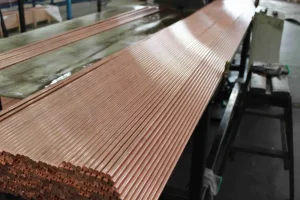
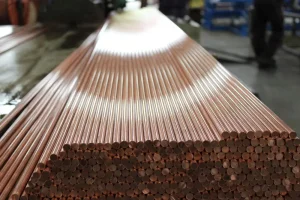
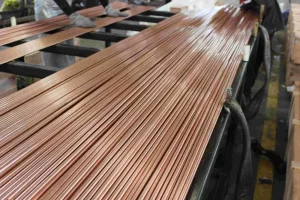
Kepai Factory Scale
Advanced Patents
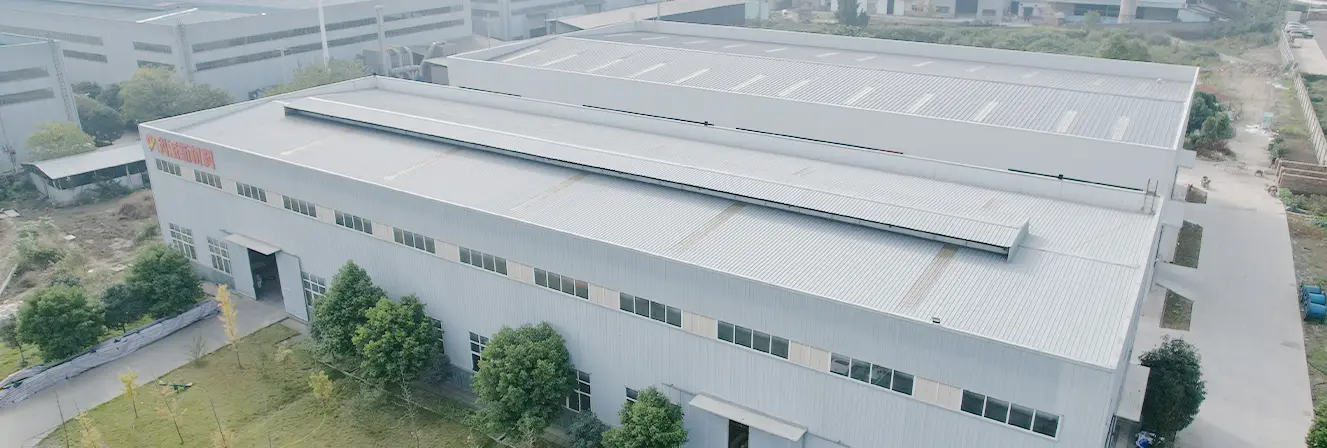
Established in 2017, Kepai New Material has pioneered the development of Oxygen-Free High-Conductivity Tellurium and Sulfur Copper. Our advantage for HCMC clients lies in our vertically integrated supply chain and rigorous quality control (ISO9001, IATF 16949).
Vietnam's VinFast is leading the EV revolution. Our Sulfur Copper components are ideal for charging gun pins and high-current connectors where thermal management is critical.
The roll-out of 5G in HCMC requires RF connectors with low signal loss. Kepai's C14700 provides the necessary conductivity with the precision of micro-machined threads.
HCMC is attracting medical device assembly. Our alloys ensure reliable conductivity in diagnostic equipment and therapeutic devices.
The global trend is shifting towards Miniaturization and Energy Efficiency. As components get smaller, the internal resistance must be minimized. Traditional brass often fails to meet the electrical requirements of modern AI servers and high-speed data centers. Sulfur copper, however, retains over 90% IACS, making it a superior alternative to brass for the next generation of power-hungry electronics.
Furthermore, Circular Economy initiatives are pushing factories in Vietnam to use materials with higher recyclability. Copper alloys are 100% recyclable without loss of properties, providing a sustainable pathway for HCMC's manufacturing growth.
With the industry's core technical personnel and high independent research capacity.

Kepai has established a complete production system and mature technology, allowing deep knowledge in the production of specialized alloys.

We developed a new type of highly conductive oxygen-free tellurium copper, offering lower oxygen levels and better performance than traditional materials.

ISO9001:2015, ISO14001:2015, and OHSAS 45001:2018 certifications reflect our global standards in quality and environmental health.
While both offer great machinability, Sulfur Copper (C14700) is often more cost-effective for applications where the slightly higher conductivity of Tellurium Copper (C14500) isn't strictly necessary, yet standard brass isn't conductive enough.
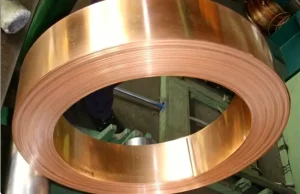
Yes. We provide rods, wires, and sheets tailored to the specific dimensions of Vietnamese CNC processing centers, ensuring minimal material waste.
Leveraging the RCEP agreement, shipping from our China factory to Cat Lai Port in HCMC is highly efficient, typically taking 7-12 days depending on the shipping method.
Absolutely. Our materials are fully compliant with RoHS and REACH, which is crucial for HCMC factories exporting to European and American markets.
Contact our engineering team today for specialized quotes and technical consultations tailored to the Ho Chi Minh City industrial market.
Send Inquiry Now Kepai New Material