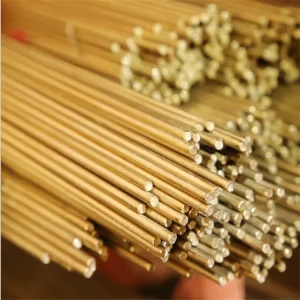
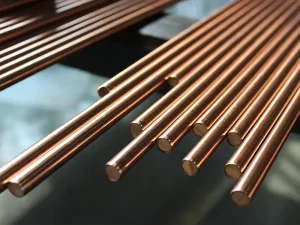
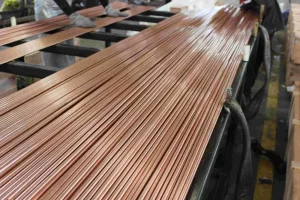
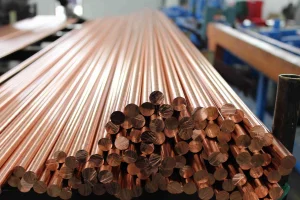
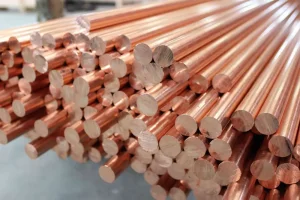
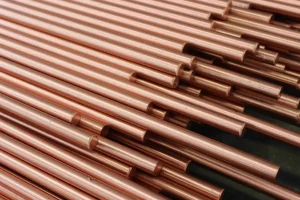
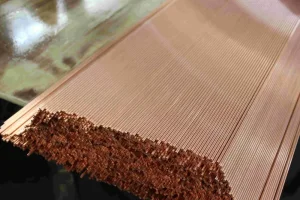
In the modern industrial landscape, copper and its advanced alloys serve as the foundation of critical electrical, thermal, and mechanical systems. Driven by global transitions such as electrification, high-performance computing, smart grid infrastructure, and aerospace innovation, the demand for precision-engineered copper components has reached unprecedented heights. Sourcing materials that consistently achieve high electrical conductivity while maintaining structural robustness and machinability is essential for sustaining next-generation engineering systems.
Established in May 2017, Sichuan Kepai New Materials Co., Ltd. operates from a state-of-the-art 29,000 square meter factory designed to bridge the gap between material research and precision component manufacturing. Our core expertise lies in the development, melting, extrusion, and custom fabrication of high-conductivity, high-strength free-cutting tellurium copper, beryllium copper, sulfur copper, and oxygen-free copper variants. Driven by a dedicated R&D team and supported by over 30 patent certificates, Kepai supports more than 1,000 global clients by providing metallurgically optimized solutions that comply with strict international standards.
The global copper alloy fabrication sector is experiencing a significant shift toward specialized alloys with customizable physical properties. The primary driver is the rapid transition to electric vehicles (EVs). Traditional pure coppers (like C11000) offer excellent electrical conductivity but lack the mechanical strength required for robust terminal blocks, high-speed connection pins, and contactors. Specialized alloys such as Tellurium Copper (C14500) and Beryllium Copper (C17200 / C17300) resolve this trade-off by combining high electrical conductivity (exceeding 85% to 93% IACS for Tellurium Copper) with excellent tensile strength and high-speed machinability.
Furthermore, in the era of artificial intelligence and hyperscale datacenters, thermal management has become a critical challenge. The generation of extreme heat densities in CPU/GPU architecture requires heat dissipation components, liquid-cooled blocks, and busbars made of high-purity, oxygen-free copper. By utilizing advanced vacuum melting techniques, manufacturers can control oxygen levels to below 5 ppm, eliminating hydrogen embrittlement risks and ensuring long-term operational stability in closed-loop cooling applications.
Selecting the optimal copper grade requires balancing chemical composition, mechanical specifications, and functional application needs. The table below highlights key properties of our primary alloy portfolio:
Conductivity: 90-98% IACS
Machinability Rating: 85% (vs. Free-Cutting Brass)
Best For: EV charging connectors, plasma cutting nozzle electrodes, high-current switchgear components.
Conductivity: 15-25% IACS
Tensile Strength: up to 1380 MPa (200 ksi)
Best For: High-reliability spring contact pins, electromagnetic shielding, aerospace instrument bushings.
Conductivity: 90-95% IACS
Machinability Rating: 85%
Best For: Mass-produced electric motor parts, threaded electrical connectors requiring fast machining cycles.
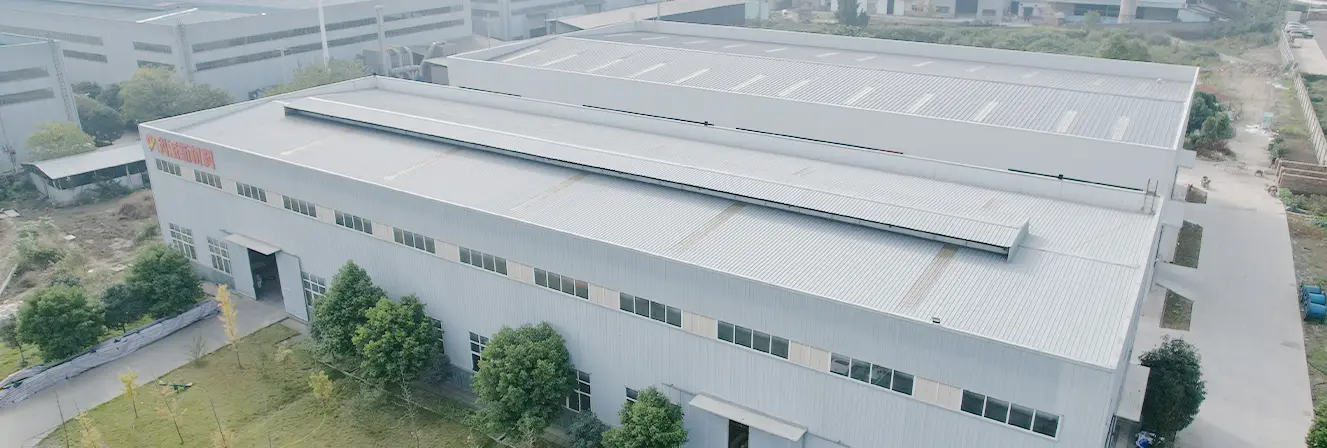
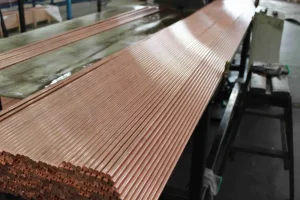
Our focus on precision manufacturing is supported by robust quality management frameworks.四川 Kepai New Materials operates under a fully integrated production system that encompasses raw material selection, vacuum induction melting, hot extrusion, cold drawing, straightening, and finishing. This internal control ensures that each batch of copper alloys meets exact chemical composition and mechanical properties.
Sichuan Kepai has obtained international certifications including ISO9001:2015 (Quality Management System), ISO14001:2015 (Environmental Management System), and OHSAS 45001:2018 / ISO 45001:2018 (Occupational Health and Safety Management System). Our alloys comply with global environmental mandates, including the RoHS and REACH directives, ensuring they are suitable for high-end electronics, medical devices, and automotive systems.
Traditionally, manufacturers faced a challenging choice: standard tellurium copper offered good machinability but was susceptible to hydrogen embrittlement when exposed to reducing atmospheres at high temperatures. Conversely, high-purity oxygen-free copper offered excellent conductivity but was difficult to machine efficiently, leading to high tool wear and production costs.
To address this challenge, Kepai developed Oxygen-Free High-Conductivity Tellurium Copper (OFT). By using a controlled casting process that minimizes oxygen content to near-zero levels while maintaining an even dispersion of tellurium particles, this alloy achieves high performance. It offers:
• Excellent Conductivity: Consistently maintaining >93% IACS.
• Resilience to Hydrogen Annealing: Safe for brazing and welding operations.
• High Machining Efficiency: Produces small, breakable chips, significantly reducing cycle times on CNC swiss-lathes and multi-spindle automatic screw machines.
Our specialized copper alloys and finished components are engineered to perform in demanding industrial environments.
Leveraging high purity copper's natural antimicrobial properties alongside Beryllium copper's fatigue-resistant spring properties, we supply critical components for MRI systems, therapeutic equipment, and medical micro-connectors.
Providing high-conductivity busbars, battery pack interconnects, and quick-charging gun contact terminals using Tellurium Copper (C14500) to ensure low resistance and minimal thermal rise under high currents.
Precision-machined beryllium copper bushings, high-durability contact pins, and instrumentation housing components designed to perform under extreme mechanical vibrations and wide temperature fluctuations.
Supplying corrosion-resistant copper-nickel and bronze alloys that resist marine bio-fouling and chemical degradation in deep-sea sensors, offshore exploration systems, and subsea connectors.
Manufacturing high-durability plasma cutting torch tips, nozzles, and electrode holders. The heat-dissipation property of tellurium copper ensures stable arc retention and extends consumable life.
Photovoltaic inverter blocks, high-capacity switchgear components, and wind turbine grounding connectors requiring reliable long-term performance and minimal contact resistance.
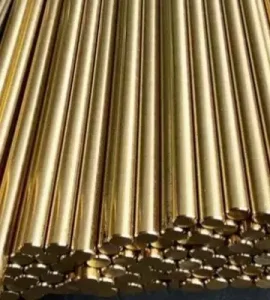
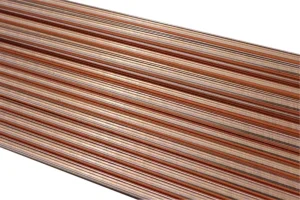
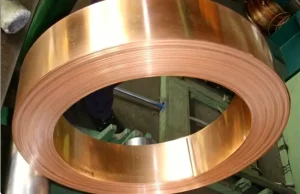
Whether you require customized Beryllium Copper foil, high-conductivity Tellurium bars, or precision-machined OEM components, our engineering team is ready to support your requirements.
Send Inquiry / Contact Us Kepai New Material