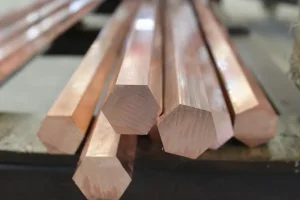
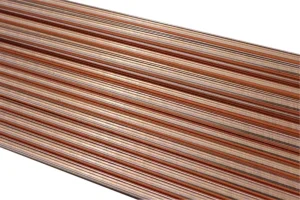
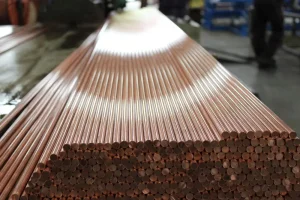
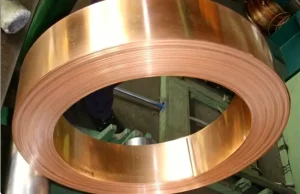
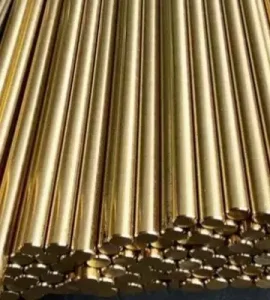
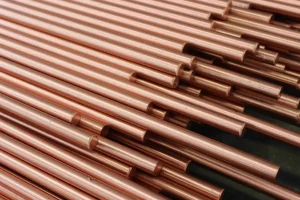
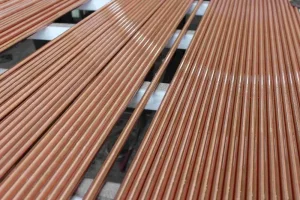
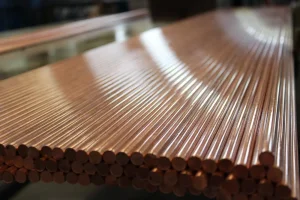
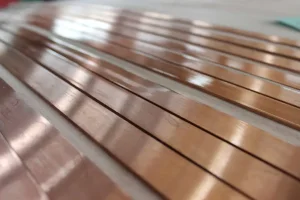
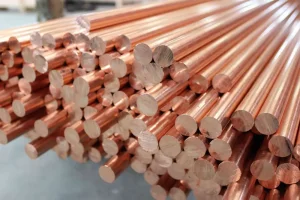
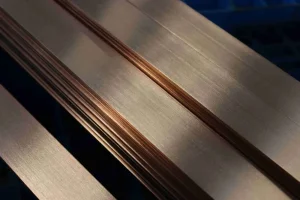
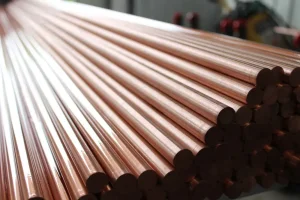
High-performance materials engineered for precision and reliability.
C5190 Tin-phosphor bronze (CuSn6P) stands as one of the most versatile and critical copper alloys in modern precision engineering. As a 6% tin bronze alloy deoxidized with phosphorus, it bridges the gap between mechanical strength and electrical conductivity. This comprehensive guide explores why selecting the right C5190 manufacturer is paramount for global industries ranging from 5G telecommunications to electric vehicle (EV) infrastructure.
The chemical integrity of C5190 is defined by its precise 6% tin content. In the smelting process utilized by top-tier Chinese factories like Kepai New Material, tin acts as a solid-solution strengthener, significantly enhancing the alloy’s hardness and tensile strength without drastically compromising its ductile properties. The addition of 0.03% to 0.35% phosphorus serves two roles: it acts as a powerful deoxidizer during casting and imparts superior wear resistance and stiffness to the finished product.
C5190 is the "gold standard" for elastic components. Its high fatigue limit ensures that springs and connectors can undergo millions of cycles without structural failure, making it ideal for high-reliability switches.
The dense oxide layer formed on CuSn6P provides exceptional protection against atmospheric corrosion and fresh water, vital for marine and outdoor industrial applications.
Unlike high-beryllium alloys, C5190 offers a balanced machining profile, allowing for complex stamping and deep drawing processes required in micro-connector manufacturing.
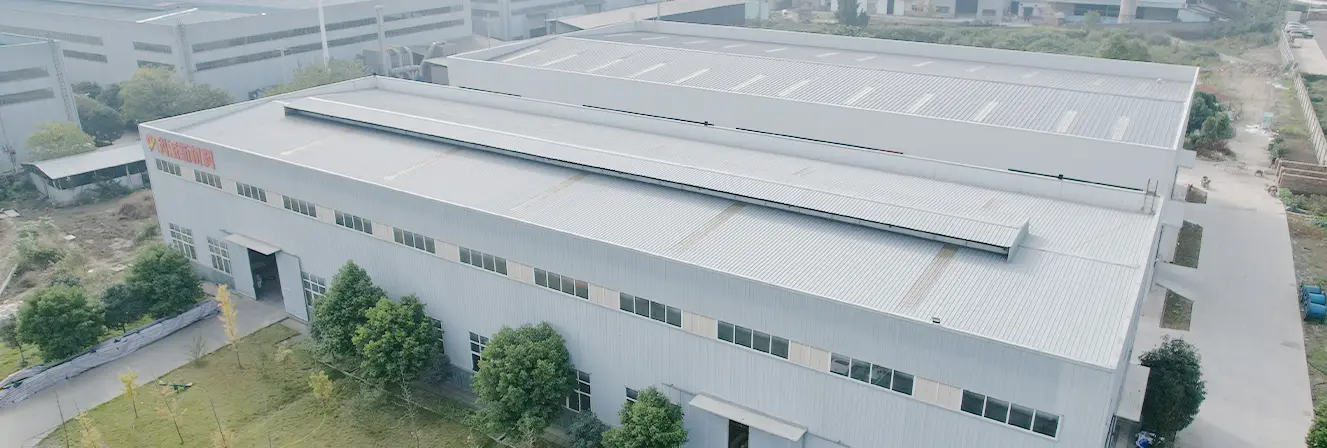
Established in May 2017, Sichuan Kepai New Materials Co., Ltd. has rapidly emerged as a dominant force in the high-conductivity copper alloy sector. With a 29,000 square meter facility, the company is not just a manufacturer but an innovator in special copper alloys.
How C5190 Tin-phosphor Bronze fuels specific regional and industrial growth.
In the Asia-Pacific telecommunications boom, C5190 is used for RF connectors and shielding boxes. Its ability to maintain elasticity at high temperatures prevents signal degradation in 5G infrastructure.
European and Chinese EV manufacturers utilize C5190 for busbar connectors and spring contacts. Its low stress relaxation ensures tight connections under the vibration and thermal cycles of electric vehicles.
In North American medical markets, the biocompatibility and non-magnetic properties of phosphor bronze make it indispensable for MRI components and surgical robotic sensors.
The resilience of the Chinese copper alloy supply chain lies in its vertical integration. Factories like Kepai manage everything from raw material electrolytic copper sourcing to final precision rolling and slitting. This reduces lead times and ensures traceability, a critical factor for IATF-compliant industries.
Efficiency Advantage: By leveraging localized clusters of logistics and energy-efficient smelting, Chinese factories offer a cost-to-performance ratio that is difficult for Western counterparts to match without sacrificing metallurgical purity.
Moving away from traditional casting to vacuum induction melting to eliminate hydrogen embrittlement.
Implementing cryogenic treatment to refine grain structures, boosting tensile strength to >700 MPa.
Developing 100% closed-loop recycling systems for phosphor bronze scrap to meet global ESG requirements.
As a strategic material, C5190 must adhere to strict international regulations. Top manufacturers ensure every batch is 100% compliant with RoHS (Restriction of Hazardous Substances) and REACH protocols to facilitate seamless export to the EU and Americas.
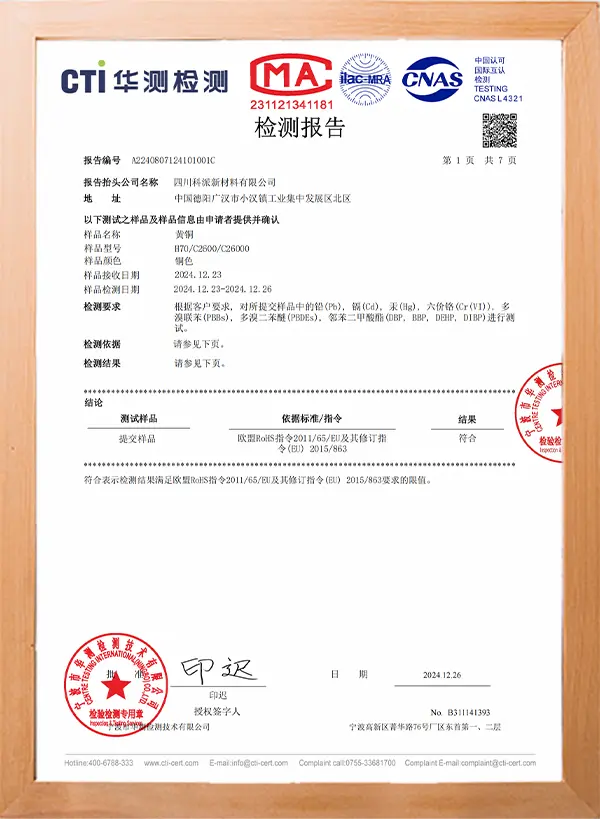
Ensuring consistent quality through standardized manufacturing processes.
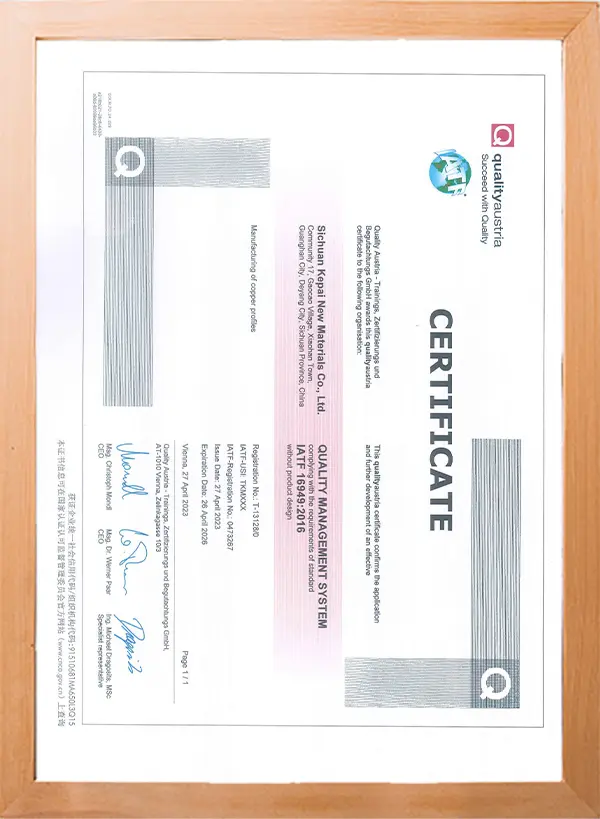
Commitment to environmental management and waste reduction.
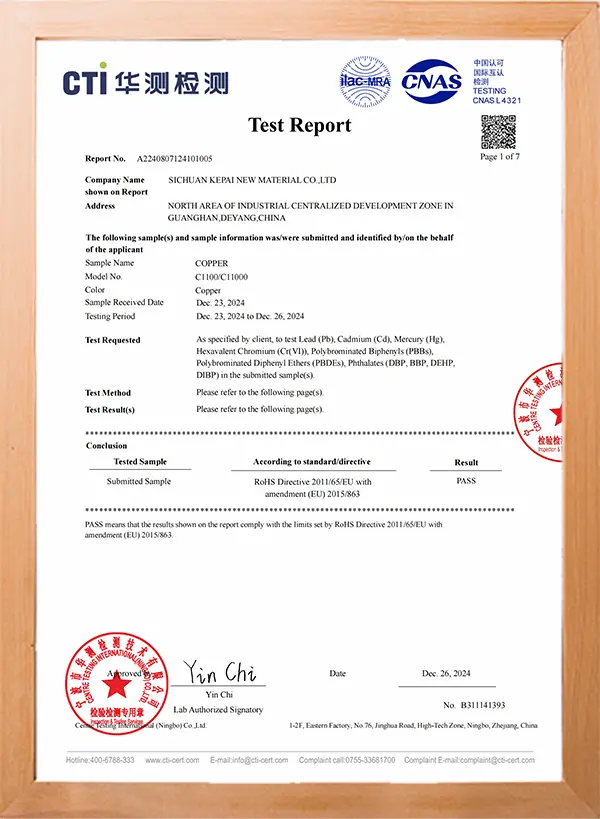
Providing a safe and healthy environment for our skilled workforce.
Browse our extended range of special copper alloys and high-purity materials.
Partner with a manufacturer that understands the nuances of C5190 Tin-phosphor bronze and precision engineering.
 Kepai New Material